
Why are cats so vulnerable to household toxins?
DISCLAIMER: This article is intended for educational purposes and does not replace professional veterinary advice. If you believe your cat has been exposed to a toxic substance, contact your veterinarian or a veterinary emergency service immediately. Do not wait for symptoms to develop before seeking help.
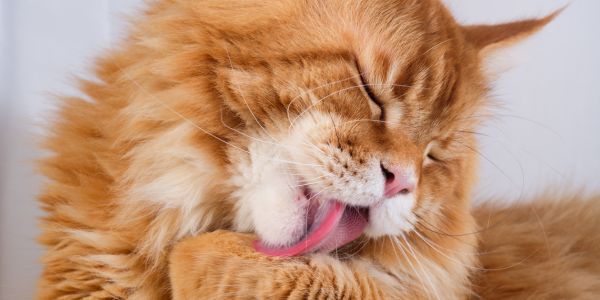
Household toxins are one of the most serious and most preventable causes of feline emergencies in South Africa. Because cats groom themselves by licking, any substance that lands on their paws, coat or fur can quickly be ingested, meaning contact alone can be enough to cause poisoning. Some of the most dangerous toxins for cats are everyday household items that most owners would never suspect and by the time symptoms appear, serious internal damage may already have occurred.
Cats are agile, curious creatures and have a talent for finding their way into places they probably shouldn’t be. For this reason, cat owners need to think carefully about what potential toxins are brought into the home. Even if a cat does not directly eat something dangerous, contact alone can still be a risk. Cats groom themselves with their tongues, which means anything on their paws, coat or skin may quickly be ingested. Some toxins cause obvious signs quite quickly, while others may take hours or even days to show outward effects. By the time a cat appears unwell, serious internal damage may already have occurred. Here are a few common household toxins that cat owners should know about.
Antifreeze (ethylene glycol)
Antifreeze, or ethylene glycol, is highly toxic to cats and even a very small amount can have devastating effects. This type of poisoning is often seen more commonly in the winter months, when people are preparing their vehicles for colder weather.
Even if antifreeze is not something you keep in your own home, your cat may still be at risk. A small spill on a driveway, garage floor or roadside can be dangerous. A neighbour may top up their car and leave a few drops behind without realising. Some cats may drink the liquid directly, while others may walk through it and later ingest it while grooming their paws.
Sadly, antifreeze poisoning is often fatal. Signs can begin as soon as 30 minutes after ingestion and may include drooling, vomiting, lethargy, wobbliness, increased thirst and tremors. Cats may also appear “drunk” or unusually quiet.
Prompt veterinary attention is essential. Do not wait to see if your cat improves, as early treatment gives the best chance of survival.
Human hair loss treatment, Minoxidil.
Minoxidil is an over-the-counter treatment used for hereditary hair loss in people. It is usually available as a liquid or foam and is applied topically to the scalp. While it may seem like an everyday household product, minoxidil is highly toxic to cats and can be fatal.
Poisoning can occur after surprisingly minimal contact. Cats may be exposed by lying on a pillow where there is product residue, licking treated skin, walking through a spill or being stroked by someone who has recently applied the product. Because cats groom themselves by licking, any residue on their fur can quickly be ingested.
Signs of minoxidil poisoning can appear within a few hours of exposure. Cats are not able to process this toxin effectively, so even a small amount can have serious consequences. Signs may include weakness, lethargy, breathing difficulty, low blood pressure, low body temperature and fluid on the lungs.
If your cat may have come into contact with minoxidil, contact your vet immediately, even if they seem normal at first.
Dog flea treatments (permethrin and pyrethroids)
Pyrethrins and pyrethroids are ingredients found in some insecticides and flea treatments. Poisoning in cats is most often seen when a dog flea product is accidentally applied to a cat, or when a cat comes into close contact with a recently treated dog. Some dog flea treatments, particularly those containing permethrin, may be safe for dogs when used correctly but can be extremely dangerous for cats.
Cats are very sensitive to these products and exposure can happen through direct application, licking the product or grooming residue from their fur. Cats living with treated dogs may also be at risk if they rub against, groom or sleep beside the dog soon after treatment.
Some products recommend keeping cats and dogs apart for a period after application, but the safest option is to speak to your vet before using any flea treatment in a multi-pet household. Never apply a dog flea product to a cat.
Signs can appear within minutes to a few hours after exposure and may include twitching, tremors, drooling, wobbliness, agitation, seizures, overheating or changes in body temperature.
This is an emergency. If your cat has been exposed to a dog flea treatment, contact your vet immediately, even if symptoms have not yet started.
Ibuprofen and human pain medication

Ibuprofen is a common human painkiller and anti-inflammatory, but it is not safe for cats. Even small doses can be toxic. Some owners may be tempted to medicate their cat at home, not realising how dangerous human medication can be for them.
Cats cannot process many human anti-inflammatories safely and ibuprofen can cause stomach ulcers, kidney damage, neurological signs and, in severe cases, seizures.
A cat may not show symptoms immediately, but this does not mean they are safe.
Signs of ibuprofen poisoning may include reduced appetite, vomiting, diarrhoea, abdominal pain, lethargy, increased thirst and increased urination. In more serious cases, cats may develop weakness, collapse, tremors or seizures.
If your cat has been given ibuprofen, or may have eaten any, contact your vet immediately. Never give human pain medication to a cat.
Essential oils.
Many essential oils can be harmful to cats, including peppermint, tea tree and eucalyptus, to name just a few. These products are often used to freshen the home or create a calming atmosphere, but many owners do not realise they can pose a risk to cats.
Toxicity can occur through inhalation, skin contact or ingestion. Cats may breathe in diffused oils, walk through spills, get oil onto their coat, or groom residue from their fur. Some oils may also irritate the skin of cause chemical burns if applied directly or spilled onto the cat.
Signs of essential oil exposure can vary depending on the oil and the amount involved. They may include drooling, vomiting, lethargy, wobbliness, shaking, breathing difficulty, coughing or irritation around the mouth and skin.
If your cat has been exposed to essential oils, move them away from the source and contact your vet for advice. Never apply essential oils directly to a cat unless specifically instructed by your vet.
Onions, garlic and the allium family.
Onions, garlic, chives and leeks are all part of the allium family and are toxic to cats. This includes all forms: raw, cooked, powdered, dried or included as an ingredient in sauces, gravies, soups and leftovers.
Allium foods can damage a cat’s red blood cells, which may lead to anaemia. Cats are particularly sensitive to this type of poisoning, and even a small amount can cause problems.
One of the dangers with allium toxicity is that signs may not appear straight away. Symptoms can take
1–5 days to develop after eating, so a cat may seem completely normal at first.
Signs may include lethargy, weakness, reduced appetite, pale gums, fast or difficult breathing, vomiting, diarrhoea, an increased heart rate or dark-coloured urine.
If your cat has eaten onion, garlic, chives or leeks, contact your vet for advice immediately, even if they seem well.

Lily poisoning.
More and more cat owners are becoming aware of just how dangerous lilies are to cats, but they are still commonly found in homes, bouquets and flower arrangements. For cat owners, having lilies in the home is a serious risk.
A cat does not need to eat a large amount of the plant to be poisoned. Drinking water from the vase, chewing a leaf or petal, brushing against pollen and then grooming themselves are all possible routes of exposure. All parts of the plant should be considered dangerous.
Lilies can cause severe and often irreversible kidney damage in cats. Early signs may appear within a few hours and can include vomiting, lethargy, drooling and reduced appetite. However, the full effect on the kidneys may not be seen until up to three days after exposure, which is why waiting for symptoms can be so dangerous.
Some “pollen-free” lilies are now marketed to cat owners, but these are not safe. Even without pollen, the leaves, petals, stems and vase water can still be toxic.
If you are a cat owner, the safest option is to avoid lilies in the home altogether. If your cat may have had any contact with a lily, contact your vet immediately, even if they seem well.
A final thought.
When it comes to cats and toxins, the best option is to act quickly. Even if your cat isn’t showing signs, there is preventative action that can be taken to lessen the harmful effect or support your cat and increase chances of recovery. If you think your cat may have eaten, licked, walked through or come into contact with anything toxic, contact your vet immediately for advice. Keep the product packaging, plant name or ingredient list nearby if possible, as this can help your vet decide on the best course of action. With cats, prevention and early treatment can make all the difference.
You will find the article in the June 2026 Magazine. READ IT HERE
DISCLAIMER: This article is intended for educational purposes and does not replace professional veterinary advice. If you believe your cat has been exposed to a toxic substance, contact your veterinarian or a veterinary emergency service immediately. Do not wait for symptoms to develop before seeking help.

FAQ Section
Q: Are lilies really that dangerous to cats?
A: Yes. Lilies are one of the most dangerous household toxins for cats and can cause severe, often irreversible kidney damage. A cat does not need to eat the plant to be at risk. Drinking water from the vase, brushing against pollen and then grooming or chewing a single leaf or petal can all result in poisoning. If your cat has had any contact with a lily, contact your vet immediately.
Q: Can my cat be harmed by my dog’s flea treatment?
A: Yes. Dog flea treatments containing permethrin or pyrethroids are safe for dogs when used correctly but can be extremely dangerous to cats. Exposure can happen if a cat rubs against, grooms or sleeps beside a recently treated dog. Signs of poisoning include twitching, tremors, drooling, seizures and overheating. This is a veterinary emergency. Contact your vet immediately if your cat has been exposed, even before symptoms appear.
Q: Which essential oils are toxic to cats?
A: Many essential oils pose a risk to cats, including peppermint, tea tree and eucalyptus. Cats can be exposed through inhaling diffused oils, walking through spills or grooming residue from their fur. Toxicity can cause drooling, vomiting, wobbliness, breathing difficulty and skin irritation. Never apply essential oils directly to a cat and take care with diffusers in rooms your cat occupies. If you are concerned about exposure to household toxins, consult your vet.
Q: My cat seems fine. Do I still need to call the vet if I think they ate something toxic?
A: Yes, always. Many household toxins cause delayed symptoms, meaning your cat can appear completely normal for hours or even days while serious internal damage is occurring. With lily poisoning, full kidney damage may not be visible until three days after exposure. With allium toxicity, symptoms can take up to five days to appear. Acting early before symptoms develop gives your cat the best chance of recovery.
Q: Is minoxidil really dangerous to cats?
A: Yes. Minoxidil is a human hair loss treatment that is highly toxic to cats and can be fatal even after minimal contact. Cats can be exposed by lying on a surface where the product has been applied, being stroked by someone with product on their hands or grooming residue from their own fur. Signs include lethargy, breathing difficulty, low blood pressure and fluid on the lungs. If your cat may have been exposed to minoxidil, contact your vet immediately.

At Oday Vets, we’re more than just a specialist veterinary clinic, we’re a family-run business in Centurion, Gauteng, passionate about providing exceptional, personalised care for every animal we meet. Our team is led by a veterinary ophthalmologist, and a vet nurse, and certified animal behaviourist, working together to ensure your pet receives expert medical care, behavioural support and products we’d use with our own pets. Whether you’re based in Centurion, across Gauteng, or further afield, your pet’s wellbeing is our family’s mission.