

Does raw feeding give dogs worms?
Many South African pet parents wonder whether raw feeding causes worms in dogs and it’s a completely understandable question given how strongly we’ve been conditioned to associate raw meat with risk. The good news is that worms are far more likely to come from a dog’s everyday environment; soil, fleas, faeces and other animals, than from a well-sourced raw diet. In this article, we unpack the real risk factors, what your dog’s biology can handle and how to feed responsibly, whatever diet you choose.
One of the most common concerns pet parents raise when considering a raw diet is simple and direct: “Won’t feeding raw meat give my dog worms?”
It is an understandable concern. For years, we have been conditioned to associate raw meat with risk. However, when it comes to our pets, the reality is very different.
Let’s separate fact from fiction.
Where do dogs actually get worms from?
Dogs do not develop worms simply from eating raw food.
In fact, the most common sources of worms are found in a dog’s everyday environment, not in their food bowl.
Dogs are far more likely to pick up worms through:
- Contaminated soil or grass
- Contact with infected faeces
- Fleas, which are a major carrier of tapeworm
- Hunting behaviour or scavenging
- Interaction with other animals
Dogs explore the world through their noses and mouths. Sniffing, licking and investigating their surroundings are natural behaviours and these activities expose them to parasites far more frequently than their diet does.
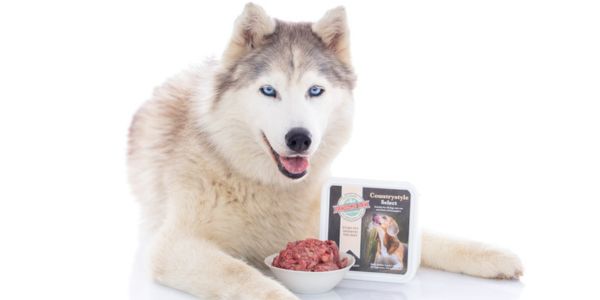
Does raw food cause worms?
The short answer is: no, raw food does not cause worms.
This belief often comes from a misunderstanding. Raw meat does not “create” parasites. However, like any food product, quality and sourcing matter enormously.
When raw food is:
- Sourced from reputable, ethical suppliers
- Produced under strict hygiene standards
- Maintained within a consistent cold chain
…the risk of parasite transmission through food is extremely low.
This is where professionally prepared raw diets make all the difference. Pawsome Raw focuses on sourcing ingredients from trusted, human-grade facilities, with strict quality control and cold chain management from production through to delivery. Each meal is carefully formulated to provide complete and balanced nutrition, giving pet parents confidence in what they are feeding.
It’s Not About Raw vs Cooked or Processed — It’s About Quality
There is often a double standard when comparing raw feeding to processed pet food.
Raw diets are frequently questioned for safety, while processed foods are often perceived as safer by default. However, contamination recalls, ingredient quality concerns and toxin exposure in commercial pet foods are well documented.
Safety is not determined by whether food is cooked or raw. It comes down to:
- Ingredient quality
- Sourcing standards
- Handling and storage practices
A well-formulated, professionally prepared raw diet can meet exceptionally high safety standards when these factors are prioritised. When quality is controlled at every stage, the focus shifts from fear to informed feeding.
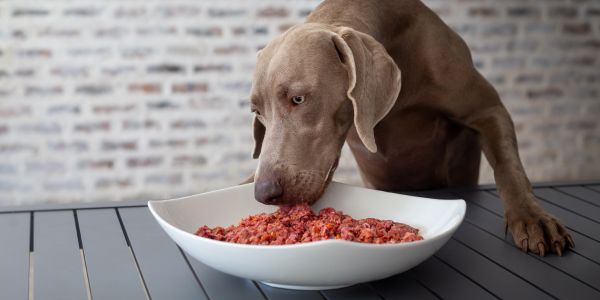
Your Dog’s Biology Matters
Dogs are classified carnivores and their digestive systems are naturally designed to handle raw meat.
They have:
- A highly acidic stomach environment that helps neutralise harmful organisms
- A short digestive tract, which reduces the opportunity for harmful bacteria to proliferate
- Strong natural defences when supported by proper nutrition
A balanced raw diet supports:
- Gut health
- Immune function
- A diverse and resilient microbiome
Many pet parents and long-term raw feeders observe that dogs on a consistent, high-quality raw diet often develop stronger overall resilience. A healthy gut and robust immune response support the body in managing everyday environmental exposures, including those involving parasites.
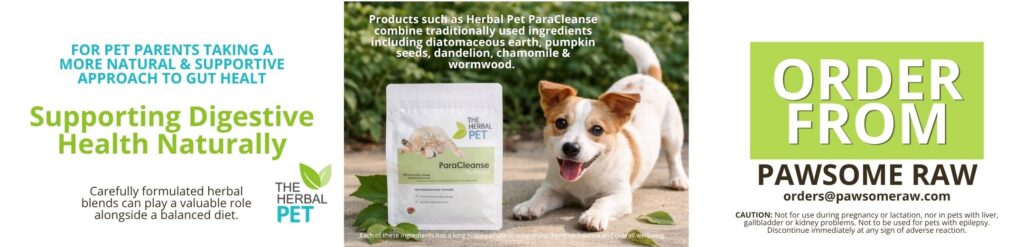
Some pet owners choose to include natural additions such as ground pumpkin seeds or carefully selected herbal blends as part of a broader approach to digestive health. These ingredients have traditionally been used to support gut balance and overall wellbeing. Any supplementation, however, should be approached thoughtfully and, where appropriate, in consultation with a qualified professional.
Responsible feeding is key
As with any feeding approach, responsibility plays an important role.
To minimise risk, pet parents should:
- Source food from trusted, reputable suppliers
- Store food correctly in the freezer
- Defrost safely in the fridge
- Practise good hygiene when handling pet food
- Avoid feeding spoiled or questionable meat
Parasite management should always be informed and targeted. Faecal testing can be a valuable tool in assessing whether intervention is necessary, rather than relying on routine or excessive use of chemical dewormers, which may impact gut balance when overused.
A more considered approach focuses on maintaining overall health, supporting the immune system and intervening appropriately when needed.
A more informed way forward
As pet parents become more conscious of what they are feeding, it is essential to move beyond outdated myths and focus on education.
Raw feeding is not about taking risks. It is about understanding your pet’s biological needs and making informed choices that support long-term health.
Pawsome Raw was created with this philosophy at its core: offering complete and balanced raw nutrition, responsibly sourced and professionally prepared, to support healthier, happier pets across South Africa.
At the heart of this conversation is a simple goal: to raise healthier, stronger, and more resilient pets. And that starts with informed decisions, not fear. If you are considering a transition to raw feeding, working with a knowledgeable team and choosing a professionally prepared, balanced product makes all the difference.
Learn more about Pawsome Raw and how we support pet parents across South Africa in feeding their pets with confidence.
VETERINARY DISCLAIMER: This article is for general educational purposes only and is not a substitute for professional veterinary advice, diagnosis or treatment. Worm and parasite risk varies by individual pet, environment and health history. Always consult your veterinarian before changing your dog’s diet, starting or stopping any deworming routine, or introducing new supplements, particularly for pregnant or lactating animals, or pets with existing liver, kidney, gallbladder or epilepsy conditions.
FAQ Section
Q: Does raw feeding cause worms in dogs?
A: No, raw feeding does not cause worms on its own. Worms are far more likely to come from a dog’s environment, such as contaminated soil, infected faeces, fleas or contact with other animals. Sourcing, hygiene and storage matter, but raw food itself doesn’t “create” parasites.
Q: How do dogs usually get worms?
A: Most dogs pick up worms through everyday exploration rather than their food. Common sources include contaminated soil or grass, infected faeces, fleas (a major tapeworm carrier), hunting or scavenging and contact with other animals. Sniffing and licking are natural behaviours that expose dogs to parasites far more than diet does.
Q: Is raw dog food safe if it’s sourced properly?
A: Yes. When raw food is sourced from reputable suppliers, produced under strict hygiene standards and kept within a consistent cold chain, the risk of parasite transmission through food is extremely low. Safety comes down to ingredient quality, sourcing and handling rather than whether food is raw or cooked.
Q: Should I deworm my dog regularly even if they seem healthy?
A: Routine, excessive chemical deworming isn’t always necessary and may affect gut balance if overused. Many vets recommend faecal testing to check whether treatment is actually needed, rather than deworming on a fixed schedule regardless of symptoms. Speak to your vet about the right approach for your dog.
Q: Can a healthy gut help protect my dog from parasites?
A: A healthy gut and strong immune system can support your dog’s overall resilience, but they don’t replace proper parasite prevention. Good hygiene, flea control and appropriate veterinary care remain essential, alongside supporting digestive health through balanced nutrition.
Retha van der Walt, Specialist Pet Nutritionist, Pawsome Raw

Retha van der Walt is a qualified canine and feline nutritionist and the founder of Pawsome Raw. Her work sits at the meeting point of science and care: she holds the iPET Network Level 3 Diploma in Canine Nutrition and has completed advanced studies through the College of Integrative Veterinary Therapies (CIVT) and various other pet nutrition diplomas, grounding her practice in the work of leading authorities such as Dr Conor Brady, Dr Lew Olson, Dr Judy Morgan, Dr Jean Dodds and Dr Richard Patton. She blends rigorous nutritional biochemistry with a genuinely integrative, whole-dog approach.