
Disclaimer: This article is for educational purposes only and is not a substitute for professional veterinary advice, diagnosis, or treatment. If you’re concerned about your pet’s dental health, please consult your veterinarian.
How common is dental disease in dogs and cats?
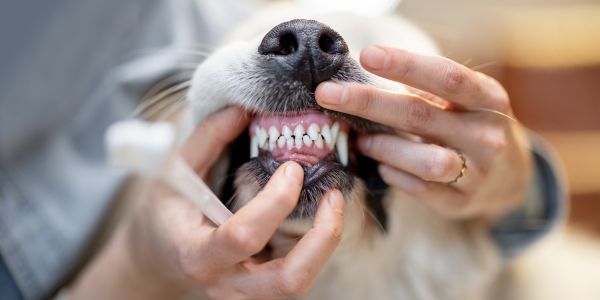
Dental disease in pets is one of the most common health conditions in dogs and cats, yet it often goes unnoticed until it’s advanced. By age three, most pets already show early signs, but because animals instinctively hide pain, many owners miss the warning signs until real damage has been done. Here’s what every South African pet parent needs to know to catch it early.
When pet owners think about their dog’s or cat’s health, teeth are often an afterthought. If a pet is eating, playful and not crying out, everything must be fine … right?
Unfortunately, dental disease is one of the most common and most overlooked medical conditions in pets and it rarely stays confined to the mouth.
Is dental disease more common in certain breeds?
Certain breeds are genetically predisposed to dental disease and may require earlier, more frequent or more extensive treatment.
Small breeds, such as Chihuahuas, Yorkshire Terriers, Maltese, Poodles, and Cavalier King Charles Spaniels, along with brachycephalic (flat-faced) breeds like Bulldogs, Pugs, Boxers and Shih Tzus, are highly prone to dental disease due to tooth crowding, misalignment and gum issues.
Long muzzle breeds such as Greyhounds, Dachshunds and Collies are also susceptible because of their unique jaw structures.
Dental disease is not just cosmetic.
It can lead to chronic inflammation, halitosis (bad breath) and even heart disease.
What is Dental Disease, Really?
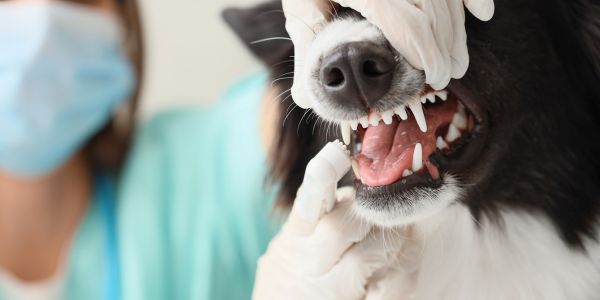
Dental disease starts with plaque, a soft film of bacteria that forms on the teeth every day. If plaque is not removed, it hardens into tartar, which irritates the gums and causes inflammation known as gingivitis.
Over time, this can progress to periodontal disease, where:
- Gums pull away from the teeth.
- Infection spreads below the gumline.
- Teeth loosen or fall out.
- Bacteria enter the bloodstream.
This process is often painful, even if pets don’t show it.
“But My Pet Is Still Eating…”
One of the biggest myths around dental disease is that pets with sore mouths will stop eating. In reality, most pets continue eating despite significant oral pain.
Animals instinctively hide discomfort. Many adapt by chewing on one side or swallowing food without chewing properly. By the time a pet stops eating, dental disease is usually advanced and severe.
SIGNS OF DENTAL DISEASE TO WATCH FOR
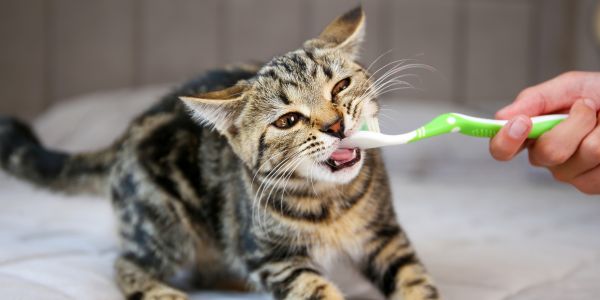
- Bad breath (this is not normal)
- Red, swollen or bleeding gums
- Yellow or brown tartar on teeth
- Dropping food while eating
- Chewing more slowly or on one side
- Pawing at the mouth
- Behaviour changes or irritability
- Facial swelling (advanced cases)
- In cats, especially, behavioural changes like decreased grooming of the coat may be the only visible sign.
Why Dental Cleaning Requires Anaesthesia
A common question veterinarians hear is:
“Can my pet’s teeth be cleaned without anaesthesia?”
The answer is no – not properly and not safely.
The most serious dental disease occurs below the gumline, where infection cannot be seen or accessed in an awake pet. Without anaesthesia, a veterinarian cannot fully examine each tooth, clean beneath the gums, take dental X-rays, or identify painful infections or damaged teeth.
Dental procedures involve sensitive gums, ultrasonic instruments and water spray. Attempting this on an awake animal would be stressful, uncomfortable and unsafe, with a real risk of injury or inhalation of debris.
So-called “non-anaesthetic dental cleans” are superficial at best and may actually accelerate the progression of dental disease. While they may improve the appearance of the teeth, they do not treat disease beneath the gumline and can damage enamel due to a lack of precision. Increased bacterial circulation during these procedures may further worsen the underlying infection.
Modern veterinary anaesthesia is carefully planned and closely monitored. For most pets, the health risks of untreated dental disease far outweigh the risks of a properly managed anaesthetic.
Anaesthesia allows dental care to be performed thoroughly, humanely and in your pet’s best interest.
Disclaimer: This article is for educational purposes only and is not a substitute for professional veterinary advice, diagnosis, or treatment. If you’re concerned about your pet’s dental health, please consult your veterinarian.

FAQ Section
Q: How do I know if my dog has dental disease?
A: Look for bad breath, yellow or brown tartar, red or bleeding gums and chewing on one side of the mouth. Some dogs also drop food, paw at their mouth, or seem irritable. Because dental disease in pets often develops without obvious pain, these subtle signs are usually your earliest clue something needs attention.
Q: Can my pet’s teeth be cleaned without anaesthesia?
A: No, not safely or thoroughly. Most dental disease hides below the gumline, which can’t be examined or treated in an awake pet. So-called anaesthesia-free cleans only address visible tartar, can damage enamel and may allow underlying infection to keep progressing unnoticed.
Q: Do cats show different dental disease symptoms than dogs?
A: Yes. Cats are especially good at masking pain, so behavioural changes, like grooming themselves less, may be the only visible sign. Dogs more commonly show tartar build-up, bad breath or difficulty chewing. Both species can have significant dental disease with few obvious outward signs.
Q: Why does my dog still eat if their teeth hurt?
A: Pets instinctively hide discomfort as a survival behaviour. Most simply adapt by chewing on one side, swallowing food without chewing properly or eating more slowly. By the time a pet stops eating altogether, dental disease is usually already advanced.
Q: Are some dog breeds more prone to dental disease?
A: Yes. Small breeds like Chihuahuas, Yorkshire Terriers and Cavalier King Charles Spaniels, along with brachycephalic breeds like Bulldogs and Pugs, are highly prone due to tooth crowding. Long-muzzle breeds such as Greyhounds and Dachshunds are also susceptible because of their jaw structure.
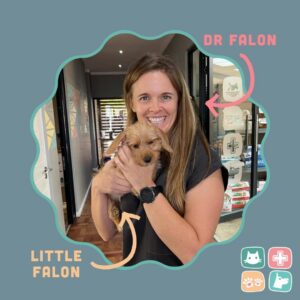
Value Veterinary Clinic has been the lifelong dream of the Founder and Head Veterinarian, Dr. Falon Olfsen, a dream only made possible through the constant loving support and encouragement of our many valuable customers, family, friends and even her pets!
At Value Vets, pet owners can expect a warm and welcoming environment where their pets will be treated with the utmost care and attention. We understand that pets are an important part of your family, and we strive to provide personalised care to meet their individual needs. Our team takes the time to listen to your concerns and answer any questions you may have about your pet’s health.