
Fireworks and Pets: How to Prepare, Prevent Escapes and Keep Them Safe
Fireworks can frighten dogs and cats, including animals that have never reacted to them before. Preparing in advance can reduce the risk of panic, injury and escape. Bring pets indoors before fireworks begin, provide a familiar safe space, check that microchip and identification details are current, secure gates and windows, arrange responsible supervision if you are away and have an emergency plan ready. Sascha Odayar of Odayvets give practical advice for helping dogs and cats cope with fireworks, reducing escape risks and preparing for emergencies.
For many people, fireworks are part of a celebration. For our pets, however, the sudden bangs, flashes and unfamiliar sounds can be frightening and overwhelming. Dogs and cats can experience significant stress during fireworks displays. Some may hide, tremble or seek reassurance, while others may panic and attempt to escape.
Even pets that have never previously shown fear of fireworks can react unexpectedly, particularly when the noise is sudden or close to home.
Helping pets cope with fireworks isn’t simply about keeping them quiet or distracting them from the noise. It’s about creating an environment where they feel safe, reducing the risk of injury or escape and knowing what to do if something goes wrong.
Using force-free methods and some practical preparation, you can make a difficult experience more manageable for your pets.
1. Prepare a Safe Space Before Fireworks Begin
For Dogs: Create a Comfortable Retreat
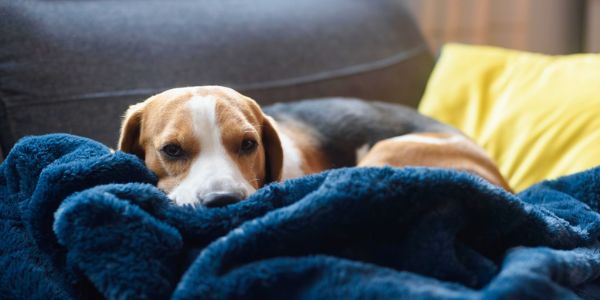
Even confident, sociable dogs need somewhere they can relax away from noise and activity. Choose an area of your home where your dog already enjoys spending time. This might be a quiet bedroom, a comfortable corner or a familiar crate.
Make the space inviting with:
- Comfortable, familiar bedding
- Fresh drinking water
- Favourite toys or suitable enrichment activities
- Closed curtains to reduce flashes of light
- Familiar background sounds, if your dog finds them comforting
You can help your dog build positive associations with this space by offering a chew or food puzzle when they are calm and relaxed.
If your dog is accustomed to using a crate, it may provide a useful retreat. However, never force a frightened dog into a crate or confine them somewhere they may injure themselves trying to escape.
Allow your dog to choose where they feel most comfortable. Some dogs prefer to hide, while others seek reassurance from their owners. Both responses should be respected.
For Cats: Provide a Quiet Sanctuary
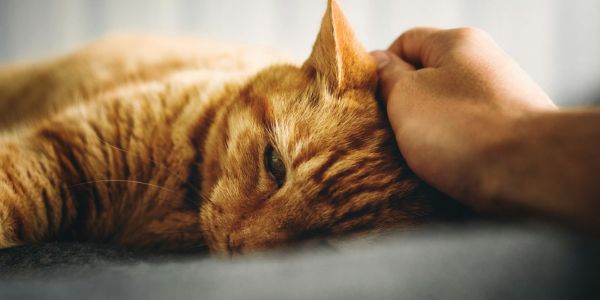
Cats are creatures of habit and can be especially sensitive to unexpected disturbances. Before fireworks begin, provide access to a quiet indoor space containing:
- A litter tray
- Fresh water and food
- Comfortable bedding
- Familiar hiding places
- Suitable enrichment toys
Some cats prefer enclosed hiding places, while others feel more secure somewhere elevated. Allow your cat to choose where to settle and avoid pulling them out of hiding unless their safety is at risk. Check that windows and doors are securely closed, particularly if visitors will be entering or leaving the house.
2. Check Your Pet's Microchip and Identification
A frightened animal may behave in ways you have never seen before. Dogs can jump fences, squeeze through surprisingly small gaps or bolt through open gates. Cats may escape through doors or windows while trying to get away from the noise. That is why identification is such an important part of fireworks preparation.
Having your pet microchipped is a good first step, but the microchip must be readable and the registered details must be correct.
Before fireworks are expected:
- Ask your veterinarian to scan your pet’s microchip to confirm that it can be read.
- Check which microchip registration provider holds your pet’s information.
- Confirm that your cellphone number, address and alternative contact details are current.
- Keep a record of your pet’s microchip number and registration provider.
Remember that a microchip is not a GPS tracking device. It helps identify your pet when someone scans it.
For dogs, a properly fitted collar with an identification tag displaying a current contact number provides an additional way for someone to reach you immediately. If your pet is found by a neighbour or member of the public, accurate identification details can make the difference between a quick reunion and a prolonged search.
3. Secure Your Home and Prevent Escape
Fireworks can trigger a panic response, even in animals that are usually relaxed and confident. Before fireworks season, take a walk around your property and look for potential escape routes. Check gates, fences, boundary walls and areas where a dog could dig underneath a barrier. Make sure damaged fencing is repaired and that external doors and gates close securely.
If you are expecting visitors, remind them to close doors and gates behind them.
Don’t assume that because your dog has never tried to escape, they won’t do so when frightened.
Don’t wait until the first bang. Try to complete walks, exercise and toilet breaks earlier in the day, before fireworks are expected. Bring dogs and cats indoors and make sure external doors and windows are secure.
Never leave a frightened dog tied up outside or rely on fencing alone to contain a panicking animal. If your dog needs to go outside during the evening, supervise them and use a secure lead and properly fitted harness where appropriate.
Prevention is always preferable to trying to locate a frightened pet after an escape.
4. Using Music to Help Mask Fireworks Noise
Many dogs and cats experience anxiety during fireworks displays, but familiar sounds may help make their environment more comfortable. Background music or television can sometimes reduce the contrast between a quiet home and sudden explosions outside.
Can Music Help?
Some pet parents find that calming music helps their animals settle. Taiko drum music, with its deep rhythmic percussion, is another option that may be explored as a background sound. However, individual animals respond differently. Some dogs may find rhythmic sounds soothing, while others may find percussion unsettling.
The important thing is to introduce any music gradually and observe your pet’s response. Well before fireworks are expected, play your chosen music at a comfortable, low volume while your dog is relaxed or enjoying something pleasant, such as a food puzzle. If your dog remains comfortable, you can continue using the music as part of their normal routine.
Avoid suddenly increasing the volume in an attempt to drown out fireworks. Loud music may add to your pet’s distress rather than reduce it. Music should be one part of a broader plan that includes a safe environment, appropriate supervision and additional support where necessary.
5. Should You Comfort a Frightened Dog?
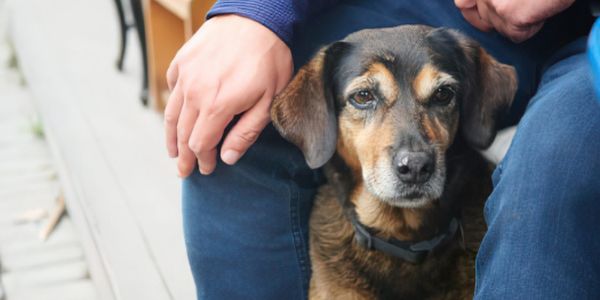
Some dogs seek physical contact when frightened, while others prefer to retreat somewhere quiet. If your dog comes to you for comfort, it is perfectly acceptable to offer calm reassurance. You do not need to ignore a frightened dog because you are worried about reinforcing their fear.
Allow your dog to choose whether they want to sit beside you, receive gentle attention or spend time alone in their safe space. Avoid forcing interaction, restraining them unnecessarily or insisting that they engage in activities when they are visibly distressed.
If your dog is comfortable accepting a favourite chew, food puzzle or other enrichment activity, these may provide a pleasant distraction. However, a dog experiencing significant fear may not be interested in food or play. This is not disobedience; it may be a sign that they are too distressed to engage.
6. Arrange Responsible Supervision If You Are Going Out
If fireworks are expected and you plan to be away from home, consider arranging for a competent and trusted person to stay with your pets. This is especially important for animals with a history of severe noise sensitivity. Your pet sitter should understand your pet’s normal behaviour, routines and any known fears.
Make sure they know:
- Where your pet feels safest
- How to secure the property
- What signs of distress to look for
- How your pet normally responds to reassurance
- Whether medication has been prescribed by your veterinarian
- What to do if your pet escapes
- Who to contact in an emergency
Ideally, introduce your pet to the sitter beforehand so they are familiar with one another.
A frightened pet needs someone who can respond calmly and appropriately, not simply someone who will refill the food bowl.
7. Prepare an Emergency Contact List
If something goes wrong, you don’t want to waste valuable time searching for telephone numbers. Keep an emergency contact list somewhere accessible and ensure that anyone caring for your pets has a copy. Include:
- Your cellphone number and an alternative contact
- Your regular veterinarian’s telephone number
- The nearest 24-hour or after-hours veterinary facility
- A trusted neighbour or family member
- Your pet’s microchip number and registration provider
- Contact details for your local SPCA or animal welfare organisation
Keep a recent, clear photograph of each pet on your phone, including an image showing distinctive markings. These details can be extremely useful if your pet goes missing.
8. What to Do If Your Pet Escapes During Fireworks
Even with careful preparation, accidents can happen. If your dog or cat goes missing, act as quickly and calmly as possible.
Start by checking the immediate area and notifying neighbours. Contact nearby veterinary practices, animal shelters, SPCA branches and relevant local lost-pet groups. Notify your microchip registration provider that your pet is missing and confirm that the registered contact details are correct.
When sharing a missing-pet notice, include a recent photograph, the location where your pet was last seen and a reliable contact number.
If Your Dog Is Running in Fear
Avoid encouraging people to chase, shout at or corner a frightened dog. A panicking dog may continue running, even when approached by someone familiar. Instead, share sightings with people experienced in recovering lost animals and seek assistance from appropriate local animal rescue organisations.
For missing cats, check nearby hiding places, garages, sheds and other sheltered areas, and ask neighbours to do the same.
9. When Should You Speak to Your Veterinarian?
Not all pets experience fireworks in the same way. Some may be mildly unsettled, while others experience severe fear or panic. Signs of significant distress can include trembling, panting, pacing, hiding, vocalising, excessive salivation, attempts to escape or an inability to settle. If your pet has previously shown severe fear of fireworks, speak to your veterinarian well before fireworks are expected.
Depending on the individual animal, your veterinarian may recommend environmental management, a behaviour modification plan, referral to a qualified behaviour professional or appropriate medication.
Never give your pet human medication or unprescribed calming products without veterinary advice. For animals with significant noise sensitivity, professional support may make an important difference to their welfare.
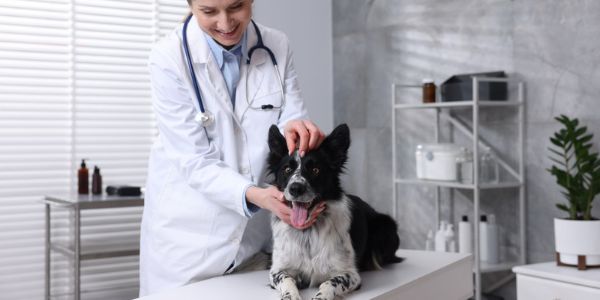
10. Force-Free Preparation: Set Your Pet Up for Success
Force-free training focuses on making learning experiences positive, low-pressure and as error-free as possible. Rather than expecting a frightened pet to simply tolerate fireworks, the aim is to prepare their environment and help them develop positive associations with safe spaces and predictable routines.
Manage the Environment
Choose quiet, comfortable areas where your pet can relax without unnecessary disturbance.
Take Small Steps
Introduce new routines, safe spaces or background sounds gradually, while your pet is calm. Do not expect your dog to learn new behaviours when already overwhelmed by fireworks.
Keep Experiences Positive
Use familiar rewards, enrichment and gentle interaction to help build positive associations. Remember that every animal is different. What helps one dog feel secure may not work for another. Observe your pet’s behaviour and adapt your approach to their individual needs.
Preparation Is Your Best Protection
Fireworks can be unpredictable and even the most confident pet may become frightened by a sudden explosion. While we cannot control every noise outside our homes, we can take practical steps to reduce the risks to our pets.
Creating a safe indoor environment, checking microchip information, securing gates and fences, arranging responsible supervision and preparing an emergency plan can all make a meaningful difference.
For pets that experience significant fear, early veterinary and behaviour support is equally important.
Above all, remember that a frightened pet is not being difficult or disobedient. They are responding to something they perceive as threatening.
Our responsibility is not simply to help them endure fireworks, but to protect their safety and wellbeing before, during and after the noise.
Editor’s Note: We Love Pets SA has expanded the original article with additional guidance on identification, escape prevention, pet-sitter responsibilities and emergency preparedness.
Pet health note: This article provides general information and is not a substitute for veterinary advice. If your pet experiences severe fear or panic around fireworks, speak to your veterinarian before fireworks are expected. Never give human medication or unprescribed calming products to your pet without veterinary guidance.


At Oday Vets, we’re more than just a specialist veterinary clinic, we’re a family-run business in Centurion, Gauteng, passionate about providing exceptional, personalised care for every animal we meet. Our team is led by a veterinary ophthalmologist, and a vet nurse, and certified animal behaviourist, working together to ensure your pet receives expert medical care, behavioural support and products we’d use with our own pets. Whether you’re based in Centurion, across Gauteng, or further afield, your pet’s wellbeing is our family’s mission.