
Would You Get Naked for Your Pup? How Technology Is Changing Pet Insurance
Pet insurance cannot prevent an accident or illness, but it can help reduce the financial shock when an unexpected veterinary bill arrives. Naked’s new pet insurance combines digital policy management with AI-assisted claims processing, while referring more complicated cases to veterinary professionals. The important question for owners is not simply how quickly a claim can be paid, but whether the cover, limits, exclusions, excess and reimbursement process suit their pet and financial circumstances.
How one pet-loving insurance co-founder is using technology and AI to take the stress out of pet insurance.
From a R45,000 veterinary bill to AI-powered claims settled in minutes, Naked co-founder Sumarie Greybe shares how personal experience and technology are shaping a different approach to pet insurance.
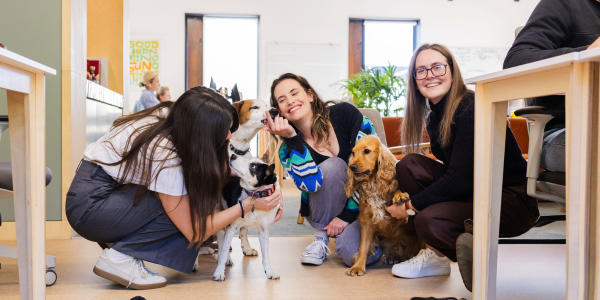
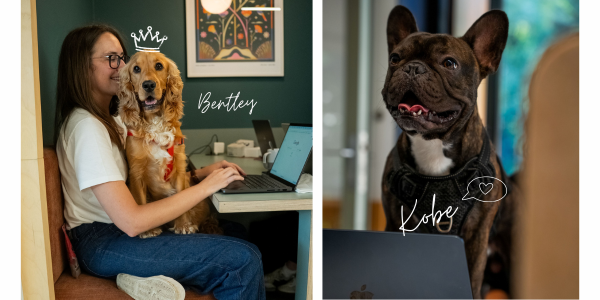
When I spoke to Sumarie Greybe, co-founder of South African insurance company Naked, on a Friday afternoon, she wasn’t alone in the boardroom. Kobe, a French Bulldog and one of the office’s regular four-legged visitors, was stretched out at her feet.
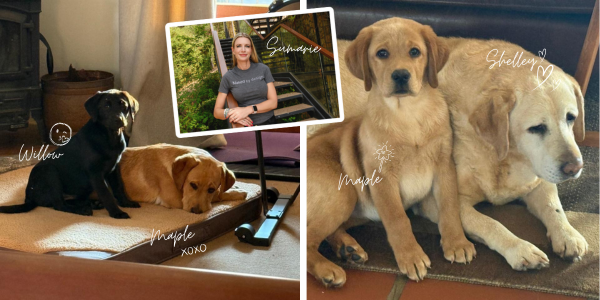
At Naked’s Johannesburg offices, employees can bring their dogs to work, provided they’re house-trained and comfortable around other animals. It’s a workplace where dogs are part of the daily rhythm, rather than an occasional novelty. And Sumarie is no stranger to life with pets. At home, she shares her space with an elderly Labrador, two energetic Labrador puppies and a rescue cat. Add the family’s Yorkies into the mix and there’s rarely a dull moment. But behind her love for animals is an experience that changed the way she thinks about protecting them financially.
The veterinary bill that changed her perspective
For years, Sumarie believed she could manage her dogs’ veterinary expenses herself. She budgeted for routine visits, vaccinations and the usual costs that come with caring for pets. Then her Labrador, Shelley, broke her hind leg in an accident. The potential veterinary bill? Around R45,000.
Suddenly, the financial question wasn’t about whether she could afford a routine consultation. It was about finding the money for a major veterinary procedure when she hadn’t planned for one.
During our conversation, Sumarie described how difficult that experience was. She had always felt capable of covering her pets’ expenses, but the size of the unexpected bill left her facing uncomfortable financial decisions. It was a turning point. And it’s an experience many South African pet owners will recognise, even if the numbers are different.
We can plan for food, preventative care and annual check-ups. But a swallowed sock, a serious injury or an unexpected illness can change everything in a matter of hours.
Why is pet insurance still a difficult decision?
Sumarie believes there are several reasons South Africans hesitate to insure their pets.
Pet insurance isn’t always something people include in their monthly budgets. Many believe that saving for veterinary expenses will be sufficient. And then there’s the complexity of insurance itself. Waiting periods, exclusions, treatment-specific limits, annual limits and excesses can make it difficult to understand exactly what you’re buying. Sumarie admitted that even with her experience in the insurance industry, she found some pet insurance products confusing when she started comparing cover for her own animals. That frustration became one of the considerations behind Naked’s new pet insurance offering.
But making insurance easier to understand is only half the challenge. The other half is what happens when you actually need to claim.
Can artificial intelligence make insurance less stressful?
Naked has built its business around digital insurance, allowing customers to get quotes, purchase policies and manage their cover through its app. Its new pet insurance offering extends that technology into veterinary claims.
The process is designed to remove much of the paperwork and back-and-forth traditionally associated with submitting an insurance claim. For a straightforward claim, the customer can open the app, record a short video explaining what happened to their pet and upload the veterinary invoice. Behind the scenes, Naked uses AI-driven systems to interpret the customer’s explanation, examine the invoice and check whether the treatment falls within the policy’s cover and limits.
The system also checks the applicable excess, annual limit and per-claim limit. If everything matches and the claim is eligible, the system can approve it without waiting for a human claims assessor. Once the customer has supplied the required banking details, payment can be processed.
In other words, technology is handling the repetitive checks that can otherwise slow a claim down.
What happens when AI can't make the decision?
One question I specifically wanted to ask Sumarie was whether technology had replaced the human element of claims assessment. The answer was no.
When a claim is more complicated, requires additional information or needs professional judgement, it is referred to a veterinary nurse or veterinarian within Naked’s claims team. Customers can also speak to a person when they need assistance with their cover or a claim.
This distinction matters.
AI may be excellent at processing information quickly, but veterinary treatment isn’t always straightforward. There are situations where clinical context, additional evidence or human judgement is necessary. For Naked, the intention is to automate the simpler work while retaining professional oversight for cases that need it.
A claim paid in just 20 minutes
One of Naked’s earliest pet insurance claims provides an interesting example of how this technology can work.
A dog named Max had swallowed a sock and required emergency veterinary treatment. His owner submitted a claim through the Naked app at 22:30. By 22:35, the claim had been assessed and approved. At 22:48, the owner provided his banking details. Two minutes later, at 22:50, the payment was in his account.
The entire process took just 20 minutes, including the time the customer took to provide his banking details.
It’s an impressive example, but it is important to remember that not every claim will be resolved that quickly. According to Naked’s early claims data, the median time from claim submission to payment is 1.3 days, with 60% of claims paid within 48 hours. Approximately 29% were paid within an hour of approval.
These are early figures released by the company and performance may change as its pet insurance customer base grows. Still, they offer an interesting glimpse into how automation could change the claims experience.
Buying insurance without the follow-up sales calls
There was another detail that caught my attention when I tried Naked’s quoting process ahead of our interview.
I completed a quote through the app and found the process straightforward. But what surprised me afterwards was what didn’t happen. Nobody phoned me. Anyone who has requested insurance quotes online will probably understand why that stood out.
Sumarie explained that this is deliberate. Naked doesn’t sell its policies through outbound sales calls and doesn’t phone customers simply because they’ve requested a quote. Customers can explore the options, compare the available cover and make a decision in their own time. If customers need help, assistance is available.
For pet owners who prefer managing their finances digitally, that might be a welcome change. It also raises a useful point: technology isn’t only about speed. It can give customers more control over how and when they interact with an insurer.
Understanding what your money buys
Naked’s pet insurance starts at R40 per month for cats and R55 for dogs for its Basic accident-only option. The company also offers accident-and-illness cover, as well as a more comprehensive option that includes certain routine and additional care benefits. Customers can select annual cover limits ranging from R15,000 to R120,000 and choose an excess that suits their circumstances.
One of the features Sumarie highlighted is the absence of separate treatment-specific sub-limits for covered treatments like medication, vet visits, diagnostic tests or surgery. Instead of having individual caps for various investigations and procedures, eligible expenses are subject to the policy’s selected annual and per-claim limits. That can make it easier to understand the overall amount available for treatment. However, no treatment-specific sub-limits does not mean unlimited cover.
Waiting periods, exclusions, excesses, policy conditions and the selected limits still apply.
Naked also currently operates on a reimbursement model rather than paying the veterinarian directly. This means pet owners may need to pay their vet before being reimbursed. That’s an important consideration for anyone who might struggle to cover a large bill upfront, even temporarily.
What about older pets and rescued animals?
During our discussion, we also touched on two issues particularly relevant to the WLPSA community. The first was older animals. According to Sumarie, pets joining Naked after the age of nine are eligible for accident-only cover rather than new illness cover. Animals already insured on broader plans before that age can continue their existing cover, subject to policy terms.
The second was rescue animals that arrive in new homes without complete medical histories.
Sumarie explained that Naked asks owners about serious previous conditions they know of and their pet’s current health, rather than requiring a full medical history that an adopter may not have. That doesn’t remove the need to disclose known conditions or mean every condition will be covered, but it acknowledges a reality many rescue adopters face.
Could technology eventually help keep pets healthier?
One of the most interesting parts of our conversation was about what pet insurance might look like in the future. Rather than focusing exclusively on paying for treatment after something goes wrong, could insurance eventually encourage preventative care?
We discussed developments such as pet activity trackers, digital veterinary consultations and reward programmes that encourage healthier habits. Sumarie is interested in exploring these possibilities, including ways technology could support preventative health and make veterinary advice more accessible. She was also clear that these features are not currently part of Naked’s offering.
It’s an interesting direction for an industry that has traditionally concentrated on the financial consequences of illness and injury, rather than helping owners manage their pets’ wellbeing before problems arise.
Technology is useful. Peace of mind is personal.
Towards the end of our conversation, we returned to the question that started it all. Why do so many pet owners only seriously consider insurance after experiencing an expensive veterinary emergency?
Perhaps because, until it happens, it’s difficult to imagine being faced with a decision involving both your pet’s wellbeing and your financial circumstances.
Sumarie knows that feeling from her experience with Shelley. And it’s clear that the experience has influenced how she thinks about the role pet insurance can play. Technology cannot prevent every accident or illness. It cannot remove the emotional distress of seeing an animal in pain. But when it works well, it can remove some of the administrative stress and uncertainty that follows.
For South African pet owners, the real question isn’t simply which insurance company has the fastest claims system or the lowest starting premium. It’s whether the cover they choose fits their pet, their circumstances and the financial risks they’re trying to manage.
And perhaps that’s where the most meaningful innovation lies: making insurance easier to understand before you need it and easier to use when you do.
Editorial note: This article is based on an independent interview with Sumarie Greybe and information supplied in Naked’s October 2026 launch announcement. Product information and company-reported claims statistics should be confirmed against current policy documentation before purchasing cover.
Before choosing pet insurance, ask these five questions
- What would I do if my pet needed a R20,000 or R40,000 procedure tomorrow?
Could I cover the bill upfront and how would I manage reimbursement? - Am I protecting against accidents, illnesses or both?
Understand exactly what the plan covers. - What are my waiting periods and exclusions?
Ask specifically about pre-existing conditions, breed-related conditions and chronic medication. - What will I pay out of pocket?
Compare excesses, annual limits, per-claim limits and any additional restrictions. - How does the claims process actually work?
Find out what documentation is required, whether the insurer pays the vet directly and what happens if a claim needs human assessment.
These questions are worth saving, whether you’re considering Naked or comparing any other pet insurance provider.
About Naked
Naked Financial Technology (Pty) Ltd is an authorised financial services provider (FSP 48822). Its policies are underwritten by Hollard Specialist Insurance Limited. More information is available at naked.insure/pet-insurance.