
Why do we always picture a puppy?
Adopting a senior dog means welcoming a companion whose personality, temperament and needs are already fully formed, no guessing, no chaos, just a calm, grateful presence ready to settle into your home. In South Africa, older dogs are consistently the last to be chosen at shelters, overlooked in favour of puppies despite having so much love left to give. This article explores why senior dogs deserve a second look and what to expect when you bring one home.
The Joys of Adopting a Senior Dog
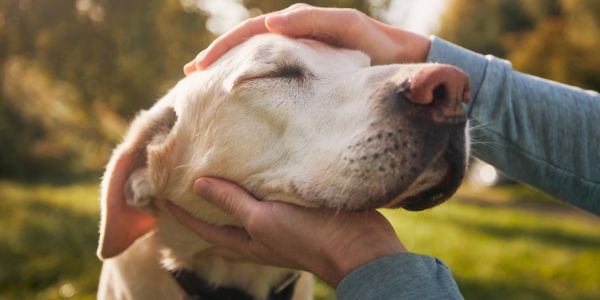
An old dog is a bit like a pair of worn-in shoes, a little rough around the edges, but comfortable, familiar and exactly right. And yet, when most people picture bringing a dog home, they picture a puppy: sharp little teeth, midnight bathroom trips, chewed-up shoes, endless potty training. What they rarely picture is a grey-muzzled dog curled up in a sunny spot, utterly content just to be near you. That image deserves far more attention than it gets.
The puppy myth
Puppies are adorable, no question. But a dog’s average lifespan runs somewhere between 10 and 13 years, which means puppyhood, all that chaos and mess, is only ever a small slice of a much longer story. Most of a dog’s life is spent as a calm, settled adult or senior. Choosing a senior dog isn’t settling for less time with a companion; it’s choosing the very stretch of life that most accurately reflects what living with a dog is actually like.
Life circumstances change too. Maybe you’ve always loved a particular breed but a high-energy puppy no longer fits your schedule. Maybe your joints prefer a gentle stroll to a frantic sprint around the yard. If that sounds like you, a senior dog isn’t a compromise, it’s an upgrade to easy, unadulterated companionship.

What are the benefits of adopting a senior dog?
- Matched energy, not matched exhaustion. You still get the personality and breed traits you love, minus the need for a crash helmet in your own living room. Senior dogs already know how to relax and they’re happy to let you do the same.
- What you see is what you get. With a puppy, you’re essentially guessing at adult size, temperament and energy level. A senior dog’s personality is already fully formed. You’ll know within days whether you’ve got a couch potato, a social butterfly or a quiet shadow who just wants to be near you.
- The house-training is done. Most senior dogs from shelters are already house-trained and know basic commands, so you can skip the carpet-ruining phase entirely.
- Better focus, fewer chewed shoes. Older dogs have generally outgrown the “everything is a chew toy” stage and tend to have longer attention spans, which makes training and bonding easier.
- Deep, immediate gratitude. People who work with rescues often describe a distinct quality in senior dogs. A soulful, quiet appreciation for being given a second chance. According to Kristen Brauer, DVM, senior dogs tend to become affectionate and content almost as soon as they settle in, intuitively bonding with the people who took them in.
- They’re easier on the household. Lower energy levels mean senior dogs typically integrate more smoothly into multi-pet homes, quiet households or simply a slower pace of life, without demanding constant attention.
Do senior dogs come with too much "baggage"?
There’s a persistent idea that older dogs come with unfixable behavioural issues. Too much baggage. But honestly, don’t we all carry something? That’s just life. A dog’s past doesn’t define its capacity for love and in many ways, an older dog teaches us the same grace we hope for ourselves: how to let go of the noise and appreciate a peaceful, shared future.
It’s also worth knowing that most senior dogs don’t end up in shelters because of behavioural problems at all. Rescue workers frequently point out that older dogs are surrendered for very human reasons; an owner becomes ill, moves into assisted living, or passes away, or a family’s circumstances simply change. These dogs were often cherished companions once and they can be again.
And the old saying that you can’t teach an old dog new tricks? Simply not true. Learning is a lifelong process for dogs, not an exclusive puppy milestone.
How common is senior dog adoption in South Africa?
Here in South Africa, the picture is stark. The State of Pet Homelessness Report puts shelter adoption rates for dogs at just 9% and Durban & Coast SPCA estimates there are around 4 million homeless dogs and cats across the country. South African shelters don’t publish a senior-specific adoption rate the way some international organisations do, but every local SPCA and rescue will tell you the same thing anecdotally: grey muzzles are the ones left waiting longest in the kennels, overlooked in favour of puppies. For context, in the United States, where age-specific figures are more widely tracked, the ASPCA reports that puppies and younger dogs are adopted at roughly a 60% rate, compared to only around 25% for senior dogs, a gap driven almost entirely by age rather than temperament or health.
That statistic is exactly why adopting a senior dog matters so much. It’s also why it can be so rewarding: you’re not just gaining a companion, you’re giving a dog who has already waited the longest the home they’ve been hoping for.

The Power of "The End"
Some people hesitate to adopt an older dog because they’re afraid of losing them too soon. It’s a fair worry, but consider it from another angle. Giving a senior dog even a few months or a couple of years of absolute, spoiled-rotten comfort means their story doesn’t end in a shelter kennel or in loneliness. It ends with the certainty that they were loved, right up to the very end.
Rescue veterans often describe this as a shift in how they measure a “successful” adoption, not by how many years are left, but by how safe, pampered and cherished a dog is made to feel for every day it has.
What do senior dogs actually need from their new home?
Not a massive backyard. Not a marathon of fetch. Just a soft bed, a warm patch of sun, a good coffee buddy and someone who understands that love has no expiration date. In return, you get a dog who already knows how to walk politely on a leash, ride calmly in a car and settle in beside you without a moment’s fuss.
What should you know before adopting a senior dog?
Adopting a senior dog does come with real responsibilities. Older dogs may need more frequent vet visits, special diets and extra attention to mobility as conditions like arthritis develop. The key, according to rescuers who specialize in senior dogs, is catching health issues early. Regular checkups can often manage or even resolve problems before they become serious. Ask the shelter or rescue for as much history as they have and plan for a vet visit soon after you bring your new companion home.
Senior dogs offer something puppies simply can’t: a fully-formed, ready-to-love companion who already understands the world and is ready to make you part of it. They’re calmer, gentler, easier to read and often more grateful than any young dog could be. If you’ve got a warm lap, a quiet home and room in your heart, a senior dog might just be the most rewarding addition you’ll ever make.
Age is just a number. Love has no expiration date.
Note: This article is for general educational purposes and isn’t a substitute for professional veterinary advice. Always consult your vet about your dog’s individual health and mobility needs.

FAQ Section
Q: Why should I adopt a senior dog instead of a puppy?
A: Senior dogs come with a fully-formed personality, so you know exactly what you’re getting in terms of temperament and energy. Most are already house-trained and know basic commands, skipping the chewing and toilet-training phase entirely. They’re calmer, easier to read and often deeply grateful for a second chance at a loving home.
Q: Do senior dogs have behavioural problems?
A: No, most senior dogs don’t end up in shelters because of behaviour. They’re usually surrendered for human reasons, such as an owner becoming ill, moving into assisted living, or a change in family circumstances. Their past doesn’t define their capacity to bond and settle happily into a new, loving home.
Q: Can older dogs still learn new tricks?
A: Yes, learning is a lifelong process for dogs, not something limited to puppyhood. Senior dogs can absolutely learn new commands, routines and habits. In fact, many rescuers find that older dogs have longer attention spans than puppies, which can make training and bonding easier.
Q: What health issues should I expect when adopting a senior dog?
A: Older dogs may need more frequent vet visits and extra attention to mobility, as conditions like arthritis can develop with age. Catching issues early through regular checkups often means they can be managed or even resolved before becoming serious. Ask the shelter for any available health history before adopting.
Q: Why are senior dogs the last to be adopted from shelters?
A: Senior dogs are frequently overlooked simply because of their age, not their health or temperament. In South Africa, shelters don’t always publish age-specific adoption rates, but rescue workers consistently report that older dogs, sometimes called “grey muzzles,” wait the longest for a home despite being just as loving as younger dogs.

As our beloved companions enter their golden years, we have both a privilege and a responsibility, to make sure that all the time they’ve given us is given
back with loving, attentive care.
The FREE eBOOK welcomes you to the journey of caring for your senior pets. Every moment matters and every day is an opportunity to celebrate the unconditional love they give you.