
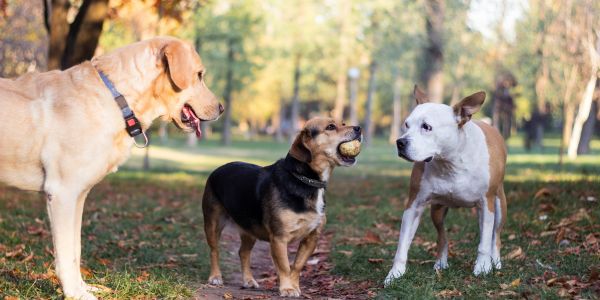
Choosing the right dog breed: find your lifestyle match
Choosing the right dog breed starts with an honest look at your own lifestyle: how active you are, how much space and time you have and who shares your home. Breed traits offer valuable clues about a dog’s energy, temperament, grooming and health needs and matching them to your life helps prevent stress, behaviour problems and heartbreaking rehoming. This guide walks South African pet parents through high-energy, calm, family-friendly, apartment-sized and local breeds, so you can find a companion who thrives with you.
How do I know which dog breed suits my lifestyle?
Adopting a dog is more than falling in love with a cute face. It’s about welcoming a new family member into your life for years to come. The right pet can bring joy, companionship and laughter. But the wrong fit? It can lead to stress, behaviour problems or even rehoming.
Every dog is an individual, but breed characteristics offer important clues about energy levels, temperament, grooming needs and health risks. Whether you’re an outdoor enthusiast, a couch potato, a city dweller or a family of five, there is a perfect match for you.
Here’s how to find it.
Step One: Know Your Lifestyle First Before you scroll through adorable faces, ask yourself:
- Are you active or more relaxed?
- Do you live in a spacious home or cosy apartment?
- Do you have young kids or other pets?
- How much time can you give to grooming and training?
- Are you home most of the day or away for long hours?
Your future pet’s needs should complement, not clash with, your day-to-day life.
Gone are the days when a dog was “just a dog,” expected to stay outside all day with minimal interaction. Today, it’s widely recognised that dogs are deeply social and sentient beings who require meaningful engagement, mental stimulation and companionship to thrive. Numerous studies have demonstrated their intelligence, emotional complexity and capacity for attachment, comparable in some ways to that of a young child.
Research published in Science (Hare et al., 2002) has shown that dogs possess advanced social cognition, such as the ability to read human gestures and intentions. Other studies, such as those by Dr. Gregory Berns at Emory University, used fMRI scans to show dogs experience emotions similar to humans, reinforcing the idea that prolonged isolation can cause significant psychological distress.
In light of this, leaving a dog outdoors alone for extended periods, especially without interaction, shelter or enrichment, is increasingly considered neglectful and, in some contexts, even abusive. Modern canine welfare standards emphasise that dogs need to be treated as family members, not lawn ornaments.
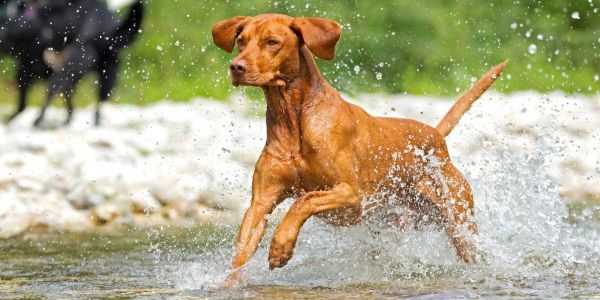
Which dog breeds suit an active lifestyle?
High-Energy Adventurers If you’re constantly moving:
- Border Collies are among the most intelligent and agile dog breeds in the world. Originally bred for herding sheep, they are hardwired to work, problem-solve and stay in constant motion. While their brilliance is impressive, it comes with demands. They require several hours of intense physical and mental exercise daily. Without this, they can become anxious or develop behavioural issues. Their natural herding instinct means they may try to “herd” children or other pets, sometimes using nips, just as they would with sheep. Additionally, they are highly sensitive to their environment and human emotions, which can make them reactive in chaotic or overstimulating households. These dogs thrive in active, experienced homes where they are given a job, whether it’s agility, herding or advanced obedience work.
- Vizslas & Weimaraners. Both were bred for hunting and retrieving in the field, often working closely with their human companions. That history explains their deep attachment to people. They’re often called “Velcro dogs” because they love to stay glued to your side. Energetic and athletic, they need vigorous daily exercise, including running, hiking or field games. Without sufficient activity and mental stimulation, they can develop separation anxiety or become destructive. They are best suited for active individuals or families who can meet their need for both companionship and movement.
- Jack Russell Terriers. Small in size but bursting with energy, Jack Russells were bred for fox hunting and ratting, meaning their prey drive and desire to dig, chase and bark are deeply ingrained. These dogs are whip-smart, often outwitting even experienced owners and if not challenged with structured play and training, they may channel their energy into destructive behaviours, obsessive digging or non-stop barking. They thrive in environments where they have a job to do, like scent work, agility or interactive games and require firm boundaries and consistent engagement to stay balanced. Their size may be deceiving, but they are not ideal for apartment living or passive households.
⚠️ Without adequate exercise and mental stimulation, these breeds can become destructive, anxious and hard to manage.
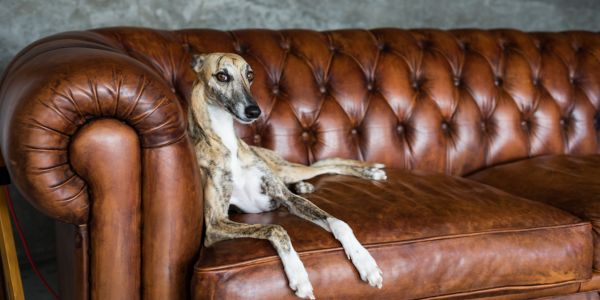
Chill Companions If you’re into snuggles over sprints:
- Cavalier King Charles Spaniels are affectionate, gentle companions who adore being close to their humans. They make ideal lapdogs and are often good with children and other pets. However, their loving nature is paired with a breed-wide predisposition to significant health issues. Most notably, they are prone to mitral valve disease (a serious heart condition that often develops early in life), syringomyelia (a painful neurological condition) and various eye and ear problems. While their temperament is dreamy, potential owners should be prepared for the emotional and financial responsibilities of managing chronic illness, regular vet visits and possibly expensive treatments are often part of life with a Cavalier.
- Greyhounds. Despite their reputation as race dogs, Greyhounds are surprisingly low-energy couch potatoes once retired. Many love nothing more than lounging for most of the day, making them excellent pets for calm households. There are many Greyhound-specific rescues that help rehome retired racers. However, Greyhounds are quite environmentally sensitive. They’re a “soft” breed that often doesn’t cope well with harsh discipline, loud environments or rough play. They also have very thin skin and minimal body fat, making them vulnerable to scrapes, cold weather and hard surfaces. Their quiet, gentle nature makes them a great match for mellow owners who can offer a soft spot to land, literally and emotionally.
- French Bulldogs & Pugs. These compact, affectionate breeds are favourites in apartments due to their size and generally low exercise needs. But both are brachycephalic (flat-faced), which can lead to a range of serious health concerns. Most notably, they often suffer from brachycephalic obstructive airway syndrome (BOAS), which can make breathing difficult, especially in heat or during exercise. Many snore, wheeze and may need surgery to open their airways. Additionally, their prominent eyes are prone to injuries and can even pop out due to shallow eye sockets, a condition called proptosis. Skin infections, spinal issues and allergies are also common. While their personalities are undeniably charming, the potential for thousands in vet bills and the emotional toll of watching them struggle to breathe, makes it essential for would-be owners to research breeders carefully and prepare financially.
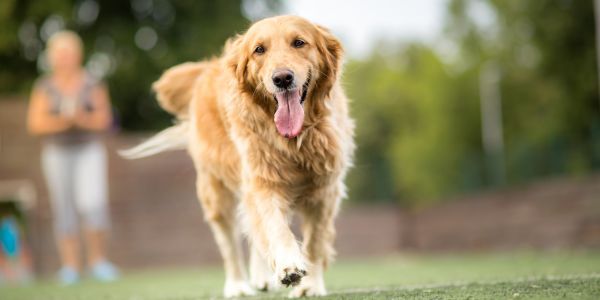
Family-Friendly Favourites Dogs known to be gentle and patient:
- Labrador & Golden Retrievers. Playful, tolerant, endlessly affectionate and eager to please, these breeds are often described as having the temperament of a happy toddler… for 10 to 15 years. They’re generally great with families and children, but their enthusiasm can be overwhelming without training. Labs and Goldens are also highly food-motivated, which makes them easy to train but also prone to obesity if overfed or under-exercised. Common health concerns include hip and elbow dysplasia and unfortunately, cancer. Especially lymphoma and heamangiosarcoma is prevalent in both breeds. Regular vet checks, portion control and exercise are essential to keep them healthy and happy.
- German Shepherds are intelligent, loyal and powerfully built. They thrive when paired with confident, experienced handlers. They are working dogs through and through, excelling in obedience, protection and service roles, but without proper guidance, they can become reactive or overly protective. In South Africa, it’s common for poorly socialised German Shepherds to develop nipping or guarding behaviours, especially toward other dogs or unfamiliar humans. Teaching bite inhibition and commands like “leave it” and “drop it” is critical. Like many large breeds, they are also prone to hip and elbow dysplasia. These dogs need significant socialisation, structure and physical and mental exercise to stay balanced.
- Mixed Breed (Mutt) dogs are often wonderfully unique, resilient and adaptable. Because they’re not bred for specific traits, they frequently enjoy better genetic diversity, which can translate into fewer inherited health issues. Many mixed-breeds come from rescues or shelters, such as your local SPCA, which can help match you with a dog that fits your lifestyle. While they don’t permit adoption for work or competitive agility purposes, they do prioritise finding good home matches. That said, rescue dogs can sometimes come with behavioural baggage: fearfulness, reactivity or trauma-related issues and may need time, training and patience to thrive in a new home. Still, the reward is often a deeply loyal and grateful companion.
 Note: Beagles, while adorable, are loud, stubborn and high-energy. Not always ideal for first-time owners.
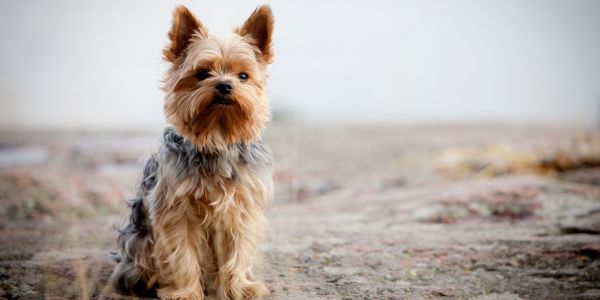
Popular Small/Apartment-Friendly Breeds:
- Maltese Poodle (aka “Maltipoo”) is a popular South African crossbreed, especially among families and seniors. They’re sweet, affectionate and low-shedding, making them ideal for indoors. But like many small breeds, they can become yappy or anxious if not properly socialised.
- Yorkshire Terrier is small in size, huge in personality. Yorkies are loyal and brave, sometimes too brave for their own good. They need gentle handling and can be snappy with rough kids if not trained early. Regular grooming is a must.
- Pomeranians are fluffy extroverts with lots of sass. They love being the centre of attention, but their tiny size means they can be easily injured by small children. They can bark a lot and have a stubborn streak but are incredibly loyal to their people.
- Miniature Dachshunds are adorable and bold, but not ideal for families with very young children. They were bred to hunt badgers, so they’re tenacious, love to dig and often don’t tolerate rough play. Back problems (IVDD) are a big concern, especially if they’re allowed to jump off furniture.
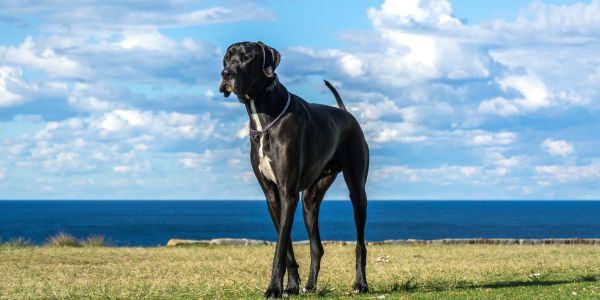
Local & Traditional South African Breeds:
Boerboel: Large, confident and bred to protect farms, Boerboels are deeply loyal and bond strongly with their family. They’re powerful dogs who need training, early socialisation and space to move. Not ideal for first-time owners or homes that don’t have time to invest in them. If you don’t mind slobber, they’re a great South African favourite.
Rhodesian Ridgeback: Originally bred to track and corner lions, Ridgebacks are athletic, alert and independent thinkers. They’re quiet and reserved with strangers but loyal and affectionate with their families. Due to their strength and prey drive, they need firm training and fenced yards.
Staffordshire Bull Terrier (“Staffie”): Tough on the outside, marshmallow on the inside. Staffies adore people, especially children, and are affectionate and goofy. They need early socialisation with other animals, as some have a high prey drive and a strong bite. They need calm, consistent obedience training. Sadly, often misunderstood due to appearance, but make lovely pets when raised right.
Great Danes are gentle giants known for their calm, affectionate nature despite their large size. Weighing over 45kg, they are good with children and other pets, making them excellent family companions. While they are intelligent, they can be a bit stubborn and require consistent training. Their exercise needs are moderate, with daily walks and playtime being sufficient. They are best suited for homes with plenty of space and a large yard. However, due to their size, Great Danes have a shorter lifespan of 7 to 10 years and are prone to joint issues and bloat. Regular vet check-ups are crucial to monitor their health.
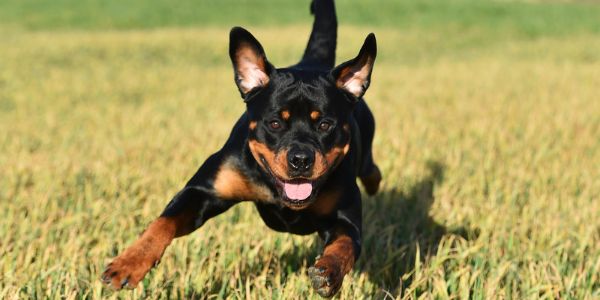
Power Breeds and Their Needs
Power breeds like Pit Bulls, Rottweilers, Dobermans, German Shepherds and Mastiffs are strong, loyal and protective. However, they require careful training, socialisation and responsible handling.
Key Considerations:
- Training & Socialisation: Early, consistent training and socialisation are crucial to prevent aggressive behaviours. These breeds need experienced owners who can lead with confidence and patience.
- Bite Inhibition: Power breeds need bite inhibition training to control the strength of their bite. Commands like “let go” and “drop it” are essential for safety.
- Exercise & Stimulation: They need vigorous daily exercise and mental stimulation. Lack of activity can lead to frustration and undesirable behaviours.
- Confidence in Handling: These breeds look to their owners for leadership. Being calm and consistent, using reward-based guidance helps prevent dominance and misbehaviour.
- Health Considerations: Many power breeds are prone to joint issues like dysplasia, so maintaining a healthy weight and regular vet checkups are important.
Not for First-Time Owners
Due to their strength and needs, power breeds are best suited for experienced dog owners who can commit to proper training, exercise and care.
⚠️ When the Wrong Breed Meets the Right Family
Sometimes, love isn’t enough. Certain breeds, especially herding, sporting and protection breeds, may look impressive, but their needs can overwhelm even the most loving families.
Herding Breeds (Border Collie, Australian Shepherd, Cattle Dog)
These dogs were bred to control flocks with intense focus, agility and sometimes… a nip.
- They may herd your children: chasing, circling or nipping heels.
- High intelligence leads to boredom without mental challenges.
- Need more than a daily walk: they thrive on agility, scent work and advanced training.
Reality check: A Border Collie isn’t a casual backyard pet. They demand full-time engagement or they may bark, chew or even nip out of frustration.
Sporting Breeds (German Shorthaired Pointer, Weimaraner, Vizsla)
Athletic and focused, these dogs were built for hours of hunting and activity.
- Need intense, daily physical exercise.
- Can be jumpy, mouthy and wild without stimulation. Tricky with toddlers.
- Slow to mature; some act like big puppies for years.
Reality check: They shine with trail runners or dog sport lovers, not sleep-deprived parents juggling nap schedules.
Protection Breeds (Belgian Malinois, German Shepherd, Rottweiler)
Loyal, smart and intense. These dogs are working professionals.
- Need structure, advanced training and consistent leadership.
- May guard family members from one another if not properly trained.
- Can become reactive or even aggressive in chaotic, overstimulating homes.
Reality Check
A Malinois or Dutch Shepherd is not a breed suited for casual or first-time owners. These dogs are highly intelligent and energetic, but they are also demanding and high-strung. Leaving them alone in the backyard often leads to disaster. They can become bored and resort to destructive behaviours like chewing, digging, excessive barking or even biting out of frustration. Originally bred for police and military work, Malinois’ and Dutch Shepherds require hours of mental and physical stimulation each day to stay content.
Social media has amplified the misconception that these dogs are easy to handle, showcasing videos of them performing acrobatics and tricks. However, without the proper training, strength and conditioning exercises (Yes, even Yoga!) attempting these activities can cause severe harm to the dog. These breeds can develop obsessive-compulsive behaviours, especially with balls and if not managed, can become aggressive. For those without experience in handling high-drive, working dogs, these breeds are best admired from afar.
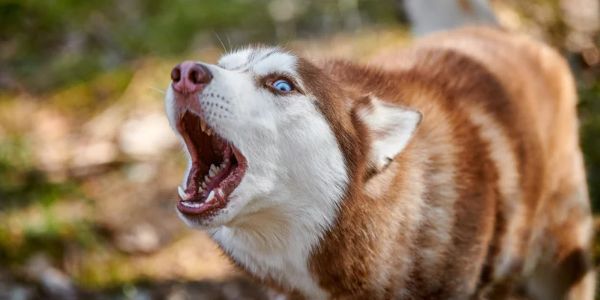
Huskies are known for their striking appearance and independent, energetic nature. However, they can be challenging for many owners, which is why they often end up in shelters in South Africa. Huskies are highly active and require extensive exercise, including long runs and mental stimulation, making them unsuitable for owners with a sedentary lifestyle or limited space. They are also known for their strong prey drive and their tendency to escape or roam can make them difficult to contain.
Their independent and stubborn personality means they can be challenging to train and they often do not respond well to traditional training methods. Additionally, Huskies have a thick double coat that sheds heavily, requiring regular grooming, especially in warmer climates like South Africa. Without proper care and attention, these factors can lead to behavioural issues and frustration for both the dog and the owner.
“But can’t any dog be trained?” Yes. And that’s exactly why it matters. These breeds require consistent, skilled training and a lifestyle that meets their needs. Without it, they can become anxious, aggressive or deeply frustrated.
Instead, choose:
- Lower to medium energy levels
- Naturally gentle temperaments
- Proven kid-friendly traits
Great picks include:
- Golden Retrievers
- Labradors
- Cavalier King Charles Spaniels
- Calm mixed breeds
Not sure which dog breed would suit your lifestyle?
Visit SA Dog Guide in our Pet Directory to explore different breeds,
their characteristics and what they need to thrive.
VETERINARY DISCLAIMER: This article is for general educational purposes only and does not replace professional advice. Every dog is an individual, and breed traits are general tendencies, not guarantees. Before adopting, speak to your veterinarian, a qualified behaviourist or a reputable rescue organisation about the needs of the specific dog you’re considering. If your dog shows signs of illness or behavioural distress, please consult your veterinarian.

FAQ Section
Q: How do I choose the right dog breed for my lifestyle?
A: Start with yourself rather than the breed. Think honestly about your activity level, the size of your home, whether you have children or other pets, how much time you can give to training and grooming and how long you’re away each day. Choosing the right dog breed means matching those answers to a breed’s typical energy, temperament and health needs, then meeting the individual dog before committing.
Q: What is the best dog breed for a family with young children in South Africa?
A: Labradors, Golden Retrievers and calm mixed breeds are often excellent family dogs because they tend to be gentle, tolerant and eager to please. Cavalier King Charles Spaniels can also suit families if they come from health-screened lines. Whatever the breed, early socialisation, reward-based training and always supervising dogs with young children matter more than any label on a breed list.
Q: Which dog breeds are not good for first-time owners?
A: High-drive working breeds such as Border Collies, Belgian Malinois, Dutch Shepherds and Huskies can overwhelm first-time owners. Power breeds like Boerboels, Rottweilers and German Shepherds also need experienced, confident handling. These dogs aren’t “bad”; they simply need hours of exercise, mental challenge and skilled training every day. Without that, they can become anxious, destructive or reactive, which is stressful for dog and family alike.
Q: What is a good small dog breed for an apartment?
A: Popular apartment-friendly choices in South Africa include the Maltese Poodle (Maltipoo), Yorkshire Terrier, Pomeranian and Miniature Dachshund, while retired Greyhounds are a surprisingly calm larger option. Small doesn’t always mean easy, though. Many small breeds bark readily or become anxious without socialisation and Dachshunds are prone to back problems. Daily walks, play and training remain essential, whatever the size of your home.
Q: Are mixed-breed dogs healthier than purebred dogs?
A: Mixed-breed dogs often benefit from greater genetic diversity, which can mean fewer inherited health conditions than in some purebreds, though every dog is an individual. Adopting from a shelter or your local SPCA is a wonderful way to find a resilient, loyal companion and staff can help with choosing the right dog breed mix for your home. Some rescues may need extra time and patience to settle.