
Choosing the right tools for the groom
Dog brushing tips aren’t just about a shiny coat, they’re essential to your pet’s comfort, skin health and even body temperature regulation. Whether you’re caring for a low-maintenance Labrador or a high-maintenance Husky, the secret lies in using the right tools, applying the correct technique and understanding what your individual pet needs. In this guide, professional groomer Leanne Burger shares exactly how to get it right, and where common tools can go wrong.
Proper brushing is one of the most important aspects of maintaining your pet’s health and comfort. The secret lies in using the right tools, applying the correct technique and understanding your animal’s specific needs.
Choosing the right grooming tools for your dog's coat
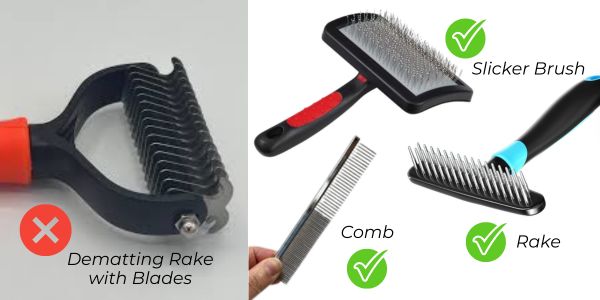
A variety of grooming tools is essential, especially for long-haired breeds. The most effective options include:
- A slicker brush (both large and small) and no, they do not hurt the dog.
- A rake (particularly useful for long-haired dogs).
- A comb (essential for cats).
- A dematting rake with blades . DON’T USE this as it can be very dangerous if not used correctly. Rather, please ask a professional to show you how to use it properly. I’m very surprised the big shopping brands sell these to the public.
Each tool serves a purpose and selecting the correct one for your pet’s coat type is critical for effective grooming.
How do you brush a dog properly?
Brushing should be firm enough to reach the skin, but never so harsh that it causes discomfort. A common mistake is only brushing the topcoat. This does not remove loose hair properly and can lead to matting underneath.
The goal is to find a balance:
- Brush deep enough to reach the skin
- Avoid applying excessive pressure that could hurt your pet
In some cases, brushing in reverse can help lift the coat and remove loose hair more effectively. However, this technique is generally not well tolerated by cats, so extra care is needed.
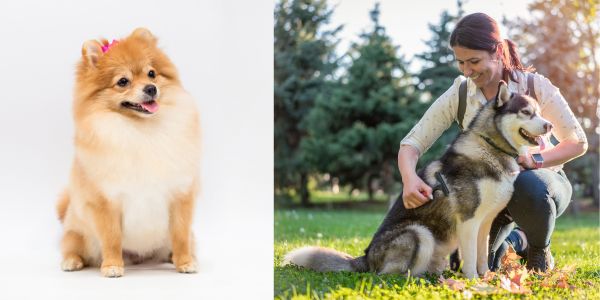
An effective brushing session is indicated by a gradual reduction of loose hair collected in the brush. As you continue grooming, the amount of hair should decrease, showing that you’ve removed the excess coat successfully.
Behaviour & consistency
Many pets may resist brushing, sometimes acting as though they are in discomfort. In reality, this behaviour is often an attempt to avoid the process. Consistent, calm discipline is important so that your pet learns to accept grooming as part of their routine.
Brushing is not optional. It directly benefits your pet by:
- Preventing painful matting.
- Helping regulate body temperature.
- Maintaining overall coat and skin health.
How do you know when a brushing session is done?
Long-haired breeds require significant, ongoing maintenance. Breeds such as Siberian Husky, Alaskan Malamute, Border Collie, Golden Retriever, Saint Bernard, Pomeranian, Pekingese, as well as cats like the Persian Cat, Ragdoll and Chinchilla Persian, all require regular weekly grooming.
If you do not have the time to brush your pet frequently, it is essential to arrange regular grooming appointments, ideally on a weekly basis. If this is not financially feasible, it is advisable to reconsider not choosing a long-haired breed.
How often should you brush your dog?
Recommended Grooming times, as stated by NOTES from the Grooming Table 2nd Edition by Mellissa Verplank.
For example:
- Huskies: 3 x a week – 40mins each time
- Persian: 5 x a week – 20mins each time
- Labrador: 2 x a week – 30 mins each time
Why coats change with the seasons
Wintertime for the double coat breeds like the Husky and the Persian cats, when they grow MORE hair to keep them warm in winter, is why in summer there is so much hair. It is especially during this time where you can’t afford to not brush your pet, as they depend on you as their owner to brush them and care for them.
Do short-haired dogs need brushing too?
Short-haired dogs such as the Jack Russell Terrier and Labrador Retriever also benefit from regular brushing. While they require less maintenance, they can still shed significantly and need coat care to stay healthy.
You will find the article in the April 2026 Magazine. READ IT HERE
Before bringing any pet into your home, research the grooming requirements thoroughly. Responsible ownership means understanding the time, effort and cost involved in proper care. Whenever possible, consider adoption. Many animals are in need of loving homes and choosing to adopt can make a meaningful difference.
DISCLAIMER:This article is for general educational purposes and is not a substitute for individualised advice from a qualified veterinarian or accredited animal behaviourist. If your dog shows signs of fear, anxiety or shutdown, please consult a vet or qualified behaviourist for a tailored plan.

FAQ Section
Q: How often should I brush my dog?
A: It depends on breed and coat type. Double-coated breeds like Huskies typically need brushing around three times a week for roughly 40 minutes, while shorter-coated breeds like Labradors need about twice a week for 30 minutes. Long-haired cats such as Persians benefit from daily or near-daily sessions. These dog brushing tips are a starting guideline, adjust based on your pet’s individual coat.
Q: What is the best brush for a dog?
A: A slicker brush works well for most coats and is safe when used correctly, despite looking intimidating. A rake is especially useful for long-haired breeds to reach the undercoat, while a comb suits finer coats and cats. The right choice depends on your pet’s coat type, so it’s worth asking a groomer if you’re unsure.
Q: Why does my dog hate being brushed?
A: Dogs who resist brushing are often uncomfortable rather than simply being difficult. This can happen when brushing is too rough, only reaches the topcoat, or has become associated with pulling on mats. Going slowly, using the correct tool, and building consistent, calm sessions usually helps a dog learn to accept grooming over time.
Q: Is a dematting rake with blades safe to use at home?
A: Not without guidance. Dematting rakes with blades can injure a pet if used incorrectly, so it’s best to have a professional groomer show you the proper technique before attempting one at home. For everyday brushing, a slicker brush, rake or comb is a safer starting point.
Q: Do short-haired dogs need brushing too?
A: Yes. Breeds like Jack Russell Terriers and Labrador Retrievers require less maintenance than long-haired dogs, but they still shed and benefit from regular brushing to support healthy skin and coat. Skipping brushing entirely, even for short-haired breeds, means missing out on these coat health benefits.

In 2017, Leanne formalized her love for grooming by training in Cape Town under the respected Jacqui at Pawstar. Since then, she has blended her technical skills with insights gained from working alongside veterinarians and running a successful long-term petsitting and mobile grooming business. Based in her beloved home of East London (a place she’ll tell you is a hidden gem for any pet lover!), Leanne advocates for a holistic and ethical approach to pet care.