

South Africa's stray animal crisis and why sterilisation is the answer
Corporate animal rescue partnerships in South Africa rarely go beyond a once-off cheque but First for Women’s sustained collaboration with Woodrock Animal Rescue in Kyalami is changing that narrative. Through consistent monthly donations, physical renovations and an active sterilisation and adoption programme, this partnership has helped address one of the country’s most pressing welfare challenges while championing the profound mental health benefits of the human-animal bond.
It’s a Wednesday morning at the Woodrock Cat Café in Kyalami, but there’s no usual rush. Instead, journalists are doing yoga with rescue dogs and media guests are cradling cats between interviews, experiencing first-hand the grounding impact animals have on human mental health.
The event is made possible by First for Women as another manifestation of the insurer’s long-standing partnership with Woodrock Animal Rescue, in support of the organisation’s sterilisation and adoption work. Today’s Cat Café event, however, was to demonstrate to guests and media what a genuine collaboration can achieve for both vulnerable animals and the people who love them.
What does a genuine corporate partnership actually look like?
South Africa faces one of the highest stray animal rates on the continent. First for Women’s funded partnership with Woodrock Animal Rescue tells a story about what it looks like when a corporate brand genuinely shows up. Rather than offering a once-off cheque, the brand has committed to consistent monthly donations, physical renovation support, and an active drive toward adoption and sterilisation at scale.
“Our relationship with Woodrock isn’t simply a sponsorship but an ongoing commitment,” says Seugnette van Wyngaard, Executive Head of First for Women Insurance. “Our monthly donations have supported the sterilisation of over 1 500 animals, contributing to an overall impact of saving hundreds of thousands of animals. We’ve also invested in the physical transformation of a very special place, the Woodrock Cat Café. This is a celebration of a beautiful, calming space where animals and people can connect and where adoptions can happen naturally. We’re here because we believe that caring for animals is caring for our communities.”
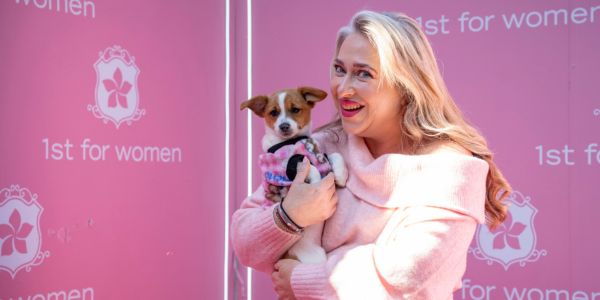
How First for Women's support gave Woodrock financial stability
Jacqui Martheze of Woodrock Animal Rescue echoes this sentiment, emphasising the profound operational impact of this sustained support: “Since we are self-funded and have a sustainable income from First for Women, the commitment to sterilise a specific number of animals monthly has provided financial relief and stability. This assistance from First for Women alleviates pressure and supports the animals who depend on us.
This partnership between First for Women and Woodrock highlights the benefits, both physiological and emotional, of the human-animal bond and the mental wellbeing of both. By promoting adoption, the initiative brings dual healing to “both ends of the leash” – lowering daily anxieties, easing loneliness and giving modern women a much-needed environment to exhale.
Is there a pet insurance policy that gives back to rescue animals?
First for Women’s consumer pet insurance policy is intentionally built around the ethos that care goes beyond the expected. The brand understands that pet ownership is as much an emotional and psychological commitment as it is a financial one. As such, policyholders benefit from unique lifelines, including a dedicated Pet Taxi service for vet appointments, grooming, and pet hotel drop-offs, a 24/7 emergency vet advice line and comprehensive post-surgery recovery support. The policy ultimately serves to protect the owner’s inner peace of mind by mitigating the stress that comes with a sick pet.
“South Africa has a significant stray animal problem and Woodrock’s sterilisation programme is one of the most effective tools we have to address it humanely,” Van Wyngaard adds. “Our support is directly measurable. Every First for Women pet insurance policy is, in a small way, contributing to that life-saving number, ensuring our customers are part of a larger ecosystem of care.”
Ultimately, the collaboration underscores a shared corporate philosophy. Insurance is about showing up for the rescue, the recovery and the second chance

Note: The mental health benefits of the human-animal bond referenced in this article are supported by a growing body of international research. They are not a substitute for professional mental health support. If you or someone you know is struggling, please reach out to a qualified professional.

FAQ Section
Q: What is the stray animal problem in South Africa?
A: South Africa has one of the highest stray animal populations on the African continent. Overpopulation is driven largely by unsterilised animals, insufficient shelter capacity and limited public awareness. Sustained sterilisation programmes run by organisations like Woodrock Animal Rescue are among the most effective and humane tools available to address the crisis at scale.
Q: How does sterilising animals help reduce the stray population?
A: Sterilisation prevents unwanted litters, which is the leading cause of animal overpopulation. When funded consistently, as through the First for Women and Woodrock Animal Rescue partnership, sterilisation programmes can make a measurable long-term difference, reducing the number of animals born into hardship and lowering the strain on rescue organisations.
Q: What are the mental health benefits of the human-animal bond?
A: Spending time with animals is associated with lower cortisol levels, reduced anxiety and decreased feelings of loneliness. The human-animal bond creates a sense of purpose and calm that benefits people across all life stages. Spaces like the Woodrock Cat Café are designed specifically to facilitate this connection in a low-stress, fear-free environment.
Q: What should I look for in a corporate animal welfare partnership in South Africa?
A: The most impactful corporate animal rescue partnerships in South Africa are those built on sustained, predictable support rather than once-off donations. Look for brands that commit to monthly funding, operational involvement and measurable outcomes, such as the number of animals sterilised or rehomed, rather than visibility-only sponsorships.
Q: How can I support animal rescue organisations in South Africa?
A: You can support rescue organisations by adopting rather than buying, volunteering your time, donating directly or choosing brands and products that contribute to animal welfare causes. Sterilising your own pets is one of the most impactful individual steps you can take to reduce the stray animal population in your community.

Your pets are more than just animals, they’re family. They bring joy, companionship and unconditional love into your life. But what happens when unexpected accidents occur while playing a fun game of catch or enjoying an outdoor adventure? Veterinary bills can be expensive; however 1st for Women Pet Insurance will help cover the cost of unexpected vet bills, giving your pet the best care and unconditional love they deserve, without breaking the bank. 1st for Women Pet Insurance offers a range of plans tailored to meet your needs, lifestyle and budget. Whether you have a playful puppy or a curious kitten, we have the perfect plan for you.