
VETERINARY DISCLAIMER: This article is for general educational purposes and reflects one veterinarian’s clinical experience. It isn’t a substitute for individualised veterinary advice. Always consult your own vet before introducing bones, especially for puppies, seniors, brachycephalic breeds, or dogs with a history of dental or digestive issues.
Why bones introduction shouldn't be rushed
Introducing bones to dogs works best as a gradual, staged process rather than a single decision, starting with soft options like chicken necks and building up over weeks or months as your dog’s chewing skill and confidence grow. Done well, bone chewing can support dental health, joint health and mental enrichment; done too quickly, it can lead to chipped teeth, digestive upset, or a dog who becomes wary of chewing altogether. This guide, from holistic veterinarian Dr Nick Thompson, walks through each stage so you can match the right bone to your dog’s age, breed and experience.
KINDERGARTEN BONES
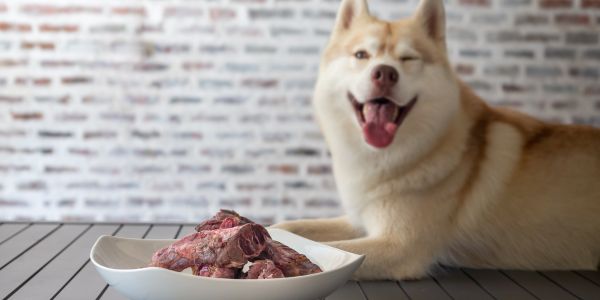
Let’s start at the very beginning, with what I affectionately call “kindergarten bones” – those soft, forgiving starters like chicken carcasses. These are the gentle on-ramps to the world of recreational chewing, ideal for puppies, seniors, or any dog new to raw. A whole chicken neck or wing offers just enough crunch to engage those developing jaws without overwhelming them. Why chicken? Its bones are predominantly cartilage and soft tissue, yielding easily under pressure. A 10-week old Labrador pup, for instance, can gnaw through a chicken wing in under 10 minutes, reaping the rewards of collagen for joint health and a satisfying endorphin rush that curbs destructive behaviours. Feed these two to three times weekly, supervised, and watch as your dog builds confidence. The key metric? If the bone crumbles like a stale biscuit rather than splintering like kindling, you’re on the right track. This phase, lasting 4-6 weeks, isn’t about endurance – it’s about joy, fostering a lifelong love affair with chewing.
PRIMARY SCHOOL
Once kindergarten mastery is achieved – evidenced by enthusiastic consumption without gagging or incomplete pulverisation – it’s time to graduate to primary school: duck and turkey necks.
These represent a subtle escalation in density and size, bridging the gap between novice nibbles and true tooth-brushing territory. Duck necks, with their sinuous length and modest girth, are perfect for small to medium breeds; turkey necks suit the larger ones, offering a heartier challenge. Both are still soft enough for daily or near-daily feeding, but their slightly tougher texture introduces the concept of sustained gnawing.
In my clinic, I’ve seen countless Goldens and Staffies blossom: a turkey neck might occupy a dog for 20-30 minutes, scraping plaque from molars and delivering bioavailable glucosamine straight to ageing hips. What makes these primary-level bones so effective? They’re a blend of soft and semi-rigid elements – small, soft, avian vertebrae encased in meaty sheaths – that mimic the ancestral prey dogs evolved to dismantle. Nutritionally, they pack a punch: high in omega-3s from the skin, plus essential minerals that support electrolyte balance.
But progression isn’t arbitrary; monitor for signs of readiness. If your dog reduces a duck neck to fragments without excessive force or frustration, advance. For the hesitant chewer, I recommend scoring the neck lightly with a knife to encourage initial bites. This stage, spanning 1-2 months, hones jaw strength and digestive enzymes, preparing the gut for denser fare.
SECONDARY SCHOOL
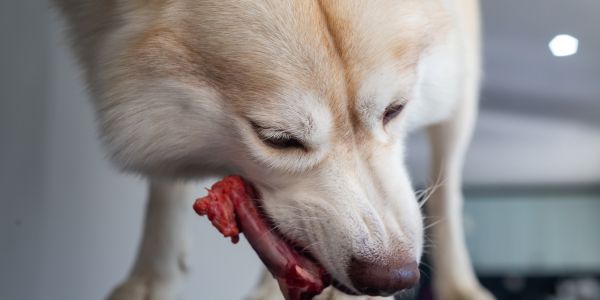
Now, secondary school beckons: the realm of cancellous, or spongy, bones – those porous powerhouses like lamb ribs, pig’s trotters, and vertebrae. Here, we’re talking intermediate chewers, dogs who’ve logged at least three months of consistent bone work and exhibit robust dental health. Lamb ribs, with their airy lattice of trabecular bone, provide a satisfying snap without the risk of dense fractures. Pig’s trotters elevate the game, combining spongy knuckles with gelatinous tendons that double as a chewy workout for the temporalis muscles.
Vertebrae from lamb or pork, fed in moderation, add variety; their hollow cores are ideal for hiding treats to boost engagement. These bones aren’t mere snacks; they’re skeletal symphonies. Cancellous tissue is 80% water and fat, rich in marrow that nourishes the blood and immune system, while the structure promotes micro-abrasion for cleaner teeth.
In veteran clients’ dogs – think a 5-year-old Border Collie with a history of chicken induced boredom – lamb ribs have turned anxious chewers into zen masters, reducing cortisol and enhancing focus. Feed weekly, rotating types to prevent palate fatigue, and always size-match: a trotter should be wider than the dog’s muzzle to discourage gulping.
UNIVERSITY
Finally, reserve the advanced curriculum – compact, brittle weight bearing bones like beef femurs or lamb shanks – for the elite: veteran bone chewers with battle-tested jaws, typically 2+ years into raw feeding. These cortical bones, dense as ivory, demand respect. A femur isn’t for the fainthearted; its unyielding cortex can shear teeth if the dog lacks technique. But for the proficient, it’s nirvana: hours of occupation, profound dental calculus removal, and a psychological boost akin to summiting Everest.
I’ve treated too many overambitious novices with cracked canines, so my rule is ironclad: only after mastering spongy stages, and never for brachycephalic breeds like Pugs, whose skulls can’t handle the torque.
General bone-feeding safety rules
In the Bones and How to Feed Them course, I emphasise that this hierarchy isn’t rigid – adjust for individual needs, consulting your vet for brachy or dental histories.
Hydration, portion control (bones as 10-15% of diet) and post-chew water access are non-negotiables. The payoff? Dogs that age gracefully, with gleaming teeth, supple joints and spirits unbroken by kibble’s monotony.
As I tell my patients' guardians: bones aren't a luxury; they're a legacy. Start slow, progress wisely, and let your dog's wild heritage guide the way. Your companion - and their jaws - will thank you.
RISKS?
Minimal, if introduced gradually, but watch for constipation from excess fat – balance with green tripe or pumpkin.
The original article is in the December 2025 Magazine.
Download the FREE Printable Checklist: Bones a Structured Approach
VETERINARY DISCLAIMER: This article is for general educational purposes and reflects one veterinarian’s clinical experience. It isn’t a substitute for individualised veterinary advice. Always consult your own vet before introducing bones, especially for puppies, seniors, brachycephalic breeds, or dogs with a history of dental or digestive issues.

FAQ Section
Q: How do I safely introduce bones to my dog?
A: Introducing bones to dogs works best gradually, starting with soft options like chicken necks or wings, fed two to three times a week under supervision. Only progress to firmer bones once your dog chews confidently and completely, without gagging. This staged approach typically takes several months from softest to hardest.
Q: What is the best first bone for a puppy?
A: A raw chicken neck or wing is generally the gentlest starting point for introducing bones to dogs, as the bone is mostly soft cartilage that gives easily under a puppy’s developing jaw. Always supervise and only offer bones once a puppy is comfortably established on a raw or fresh food diet.
Q: Can dogs choke on bones?
A: Yes, choking and gastrointestinal blockages are real risks, particularly with bones that are too small for the dog’s size or given before they’ve built chewing skill. Always supervise bone chewing, size bones appropriately and never leave a dog unattended with a bone.
Q: Are cooked bones safe for dogs?
A: No. Cooked bones become brittle and are far more likely to splinter than raw bones, which can cause serious internal injury. Only raw bones, appropriate to your dog’s size and chewing stage, should ever be offered.
Q: Which dogs should avoid hard bones like beef femurs?
A: Brachycephalic (flat-faced) breeds such as Pugs and Bulldogs should not be given hard, weight-bearing bones, as their jaw structure isn’t suited to the torque involved. Dogs with dental issues, or who are new to chewing, should also start at a much softer level first.
Dr Nick Thompson, Holistic Vet UK

As a veterinarian with over three decades of experience in holistic pet care, I’ve long advocated for the power of raw feeding to unlock a dog’s innate vitality. In my video course, Bones and How to Feed Them (available at https://holisticvet.co.uk/course-bones), I delve into the transformative role bones play – not just as a source of calcium and phosphorus, but as nature’s dental floss, mental stimulant and evolutionary birthright.