
Disclaimer: This article is for educational purposes only and is not a substitute for professional veterinary advice, diagnosis, or treatment. If you’re concerned about your pet’s dental health, please consult your veterinarian.
Mast Cell Tumours in Dogs: When a Lump is More Than Just a Lump
Finding a lump on your dog does not automatically mean cancer, but appearance alone cannot tell you whether a lump is harmless. Mast cell tumours are one of the common skin cancers seen in dogs and can sometimes look remarkably ordinary. Every new or changing lump should therefore be assessed by a veterinarian rather than simply watched and guessed at.
Why every lump deserves a closer look
Finding a lump on your dog can be worrying. Often, a lump turns out to be something harmless, such as a fatty tumour or cyst. But some lumps can be cancerous and one of the most common skin cancers we see in dogs is the mast cell tumour (MCT).
The challenge with mast cell tumours is that they can look remarkably ordinary. A small, soft lump that looks just like a harmless growth can sometimes be a significant tumour. This is why the simple rule of “let’s just watch it” isn’t always the safest approach.
What exactly is a mast cell tumour?
Mast cells are normal immune cells found throughout the body. They play an important role in inflammation and allergic reactions. A mast cell tumour develops when these cells multiply abnormally and form a tumour. Most MCTs occur in the skin or just beneath the skin, although they can also develop in other parts of the body.
Some mast cell tumours behave relatively quietly, while others can be much more aggressive and can spread to nearby lymph nodes or internal organs. Importantly, you cannot determine how dangerous an MCT is simply by looking at it.
What does a mast cell tumour look like?
This is one of the reasons MCTs can be so difficult for pet owners to recognise.
They may appear as:
- A small or large lump.
- A soft or firm swelling.
- A hairless or haired growth.
- A red, pink or normal-coloured lump.
- A lump that appears suddenly.
- A lump that changes size from day to day.
Some mast cell tumours can become swollen, red or irritated after being touched. This happens because mast cells contain substances such as histamine that can trigger inflammation. A lump that suddenly becomes larger does not necessarily mean that the tumour has suddenly grown. However, any change in a lump should be investigated rather than ignored.
Which dogs are at greater risk?
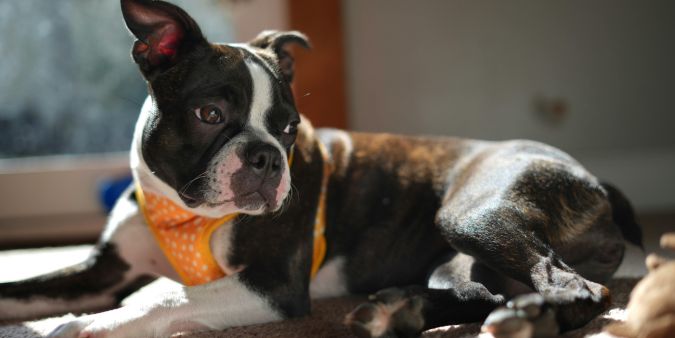
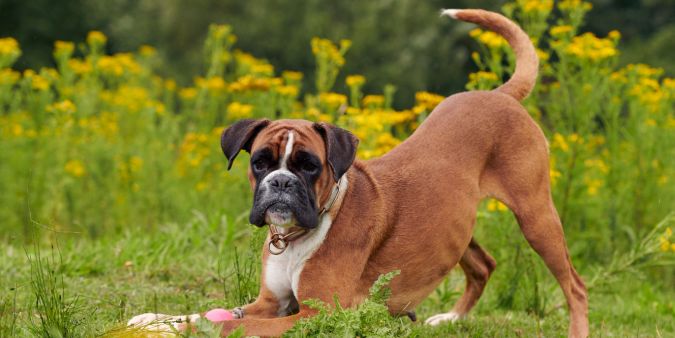
Mast cell tumours can occur in any dog, but some breeds appear to have a higher predisposition.
These include breeds such as:
- Boxers
- Boston Terriers
- Pugs
- Bulldogs
- Staffordshire Bull Terriers
- Labrador Retrievers
- Golden Retrievers
This does not mean that a dog of another breed is not at risk. Any new lump should be assessed, regardless of breed, age or size. Cats can also develop mast cell tumours, although their disease can behave differently from MCTs in dogs.
What happens if it is a mast cell tumour?
Treatment depends on several factors, including the tumour’s location, size, biological behaviour, histological grade and whether there is evidence of spread.
Surgery is often the main treatment for a localised mast cell tumour. Because MCT cells can extend beyond what can be seen or felt externally, your veterinarian may need to remove a margin of apparently normal tissue around the tumour. The removed tissue is then sent for histopathology. This is an important part of treatment because it allows the pathologist to determine whether the tumour has been completely removed and provides information about its biological behaviour.
Depending on the individual case, additional investigations or treatments may include:
- Lymph node assessment
- Diagnostic imaging
- Blood tests
- Additional surgery
- Chemotherapy or other medical therapies
- Regular monitoring
There is no single treatment plan that is appropriate for every MCT. Your veterinary team will tailor the approach to your individual pet.
Does every lump need to be removed?
No. But every new lump should be assessed. This is an important distinction.
Many lumps are benign and may not require removal at all. The safest way to decide whether a lump needs treatment is to establish what the lump actually is. A small diagnostic sample can sometimes save a pet from unnecessary surgery or, equally importantly, identify a tumour that should be treated promptly.
Check your pet regularly
One of the best things you can do as a pet owner is become familiar with what is normal for your dog’s body. When you are cuddling or grooming your pet, occasionally run your hands over their body and look for anything new or different.
Pay particular attention to:
- New lumps or bumps
- Changes in existing lumps
- Swelling
- Skin changes
- Unusual sores or areas that don’t heal
If you find something new, make a note of its location and size and arrange a veterinary examination. Taking a photograph can also be helpful for monitoring changes over time.
Don’t fall into the “it’s probably just a fatty lump” trap
This is perhaps the most important message for pet owners. A lump may feel soft and harmless. It may even look exactly like other fatty lumps your dog has had before. But appearance and feel alone cannot reliably distinguish a benign lump from a mast cell tumour. Instead of guessing, have it checked. A simple FNA may provide the answers you need and allow your veterinarian to recommend the appropriate next step.
The Take-Home Message
Most lumps are not emergencies but every new lump deserves attention. Mast cell tumours are common in dogs and can look like many other, less serious skin growths. Early investigation allows your veterinary team to identify potentially serious tumours sooner and develop an appropriate treatment plan.
So, the next time you find a new lump on your pet, don’t panic but don’t ignore it either. Check it. Test it. Know what you’re dealing with. When it comes to your pet’s health, knowing is always better than guessing.
Medical Disclaimer: This article is intended for general pet-owner education and does not replace an examination by a veterinarian. If you have found a new or changing lump on your pet, please arrange a veterinary consultation.

Dr Falon Olfsen, Value Veterinary Clinic
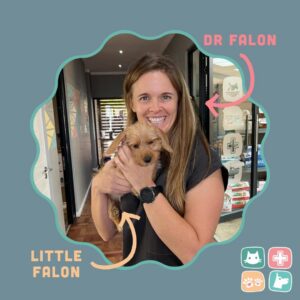
Value Veterinary Clinic has been the lifelong dream of the Founder and Head Veterinarian, Dr. Falon Olfsen, a dream only made possible through the constant loving support and encouragement of our many valuable customers, family, friends and even her pets!
At Value Vets, pet owners can expect a warm and welcoming environment where their pets will be treated with the utmost care and attention. We understand that pets are an important part of your family, and we strive to provide personalised care to meet their individual needs. Our team takes the time to listen to your concerns and answer any questions you may have about your pet’s health.