

Why does winter change my pet's behaviour?
Pet behaviour changes in winter far more often than most owners realise and it’s rarely about “bad training.” Shorter walks, more time indoors and colder joints can all affect a dog or cat’s comfort, energy and emotional state, sometimes all at once. This article explains why winter can quietly reshape behaviour, how to spot the difference between an unmet need and a genuine health concern, and simple ways to support your pet through the colder months.
Let’s face it, winter often changes the rhythm and routines of a household. Walks may become shorter. Doors and windows stay closed. Cats may spend more time curled up in warm places. Dogs may be less active outdoors.
For many pets, these changes are manageable. But for some, winter can quietly and subtly affect their behaviour.
A dog might become more restless in the evenings.
A cat may seem to be less tolerant of touch.
An older pet may start avoiding stairs, the car, walks, play or handling.
What we need to remember is that sometimes the behaviour we see in winter is not a “training problem”. It is an unmet need problem, a comfort problem or even a pain problem.
Behaviour does not happen in isolation
Modern behavioural science teaches us that behaviour is always influenced by the animal’s internal and external world. This includes emotions, learning histories, health, pain, sleep, predictability, social interactions and of course, the environment. In other words, behaviour is not separate from the body.
And this is especially important in winter because seasonal changes can affect several of these areas at once. A pet may be moving less, sleeping differently, spending more time indoors, experiencing more frustration, or feeling more physically uncomfortable in colder weather.
When those changes build up, behaviour can change too.
How can less movement lead to more frustration in winter?
Many dogs naturally get less exercise in winter. Walks may be shorter because of rain, cold, wind or darker mornings and evenings. Some dogs also dislike wet grass, cold pavements or wearing winter gear.
But movement is not just about “burning energy”. It helps regulate the nervous system. It provides sensory information, choice, exploration, sniffing, problem-solving and decompression.
When these opportunities decrease, some dogs may become more restless, bark more, chew more, demand more attention, struggle to settle or become more reactive on walks. This does not mean they are being difficult. It may mean their normal outlets have been reduced.
For cats, winter can also reduce activity. Some cats may become less playful, spend more time sleeping, or become frustrated if their environment is not offering enough stimulation and sense of abundance. Indoor cats especially rely on the home environment to meet many of their behavioural needs.
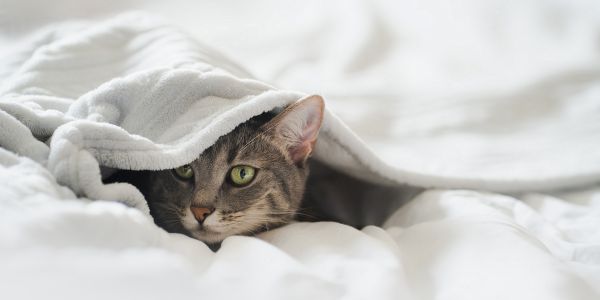
Can cold weather make pain worse in pets?
One of the most important winter considerations is pain.
Older pets, pets with arthritis, previous injuries, hip or elbow issues, spinal discomfort, dental pain or other chronic conditions may feel less comfortable during colder months. Some animals may become stiff after resting, reluctant to jump, slower on walks, less tolerant of touch, or more irritable when approached.
What we as humans need to remember is that when it comes to our pets’ pain, it does not always look dramatic.
Many dogs and cats do not cry out or limp as they are masters of masking their pain. Instead, they show subtle changes such as:
- hesitating before jumping
- avoiding stairs
- taking longer to get up
- sleeping more
- becoming less playful
- licking or chewing at a joint or paw
- avoiding being picked up
- growling, snapping, swatting or moving away when touched
- seeming more withdrawn or more clingy than usual
Cats are especially skilled at hiding pain. A cat who no longer jumps onto a favourite surface, grooms less, hides more, or reacts suddenly to touch may need a veterinary check, and not be labelled as “having a bad attitude”.
Whenever behaviour changes, health should always be part of the conversation.
Is cabin fever real for pets?
When pets spend more time indoors, their world can become smaller.
This matters because animals need species-appropriate enrichment. Dogs need opportunities to sniff, chew, scavenge, explore, move their bodies, use their brains and feel safe. Cats need opportunities to climb, scratch, hunt through play, hide, perch, rest and control their social interactions.
Without enough appropriate outlets, pets may create their own entertainment.
For dogs, this may look like stealing items, chewing, barking at every sound, pestering other pets, or becoming more excitable in the home. For cats, it may look like night-time zoomies, increased scratching, ambushing feet, conflict with other cats or attention-seeking behaviours.
These behaviours are often not random. They may be signs that your cat or dog’s environment is not meeting their behavioural needs.

Simple winter enrichment ideas
The good news is that winter support does not need to be complicated.
For dogs, try:
- scatter feeding or “find it” games
- snuffle mats
- stuffed food toys
- safe chewing opportunities
- short force-free and positive reinforcement training sessions
- sniffing games indoors
- calm massage or touch, if your dog enjoys it
- allowing them to sniff to their heart’s content on walks
For cats, try:
- short interactive play sessions with wand toys
- food puzzles
- hiding small portions of food for them to find
- warm resting areas
- increase vertical space such as cat trees or shelves
- additional scratching posts
- cardboard boxes or safe hiding spaces
- window perches for watching outdoor activity
The key is to choose enrichment that suits the individual. Enrichment should reduce stress, not add pressure.
A nervous dog may not benefit from a busy outing.
A sore dog may not benefit from high-impact ball play.
A shy cat may not enjoy being encouraged into the middle of a noisy room.
Good enrichment supports the pet’s emotional and physical state.
Why routine and predictability matter in winter
During the colder months, our household routines often change. We may leave earlier in the dark, arrive home later, spend more time indoors or have different weekend patterns and our pets notice these changes.
Predictability helps our cats and dogs feel safe. When daily life becomes less predictable, some pets may show more anxiety, clinginess, frustration or vigilance.
This is especially true for those pets who are already sensitive, elderly, recovering from illness, newly adopted, or living in multi-pet homes.
Small routines can help:
- consistent feeding times
- predictable resting spaces
- regular toileting opportunities
- calm greetings and departures
- planned and routine play and enrichment
- quiet time away from children or other pets
- maintaining medication and veterinary care routines
Pets do not need a perfect routine. They need enough predictability to feel secure.
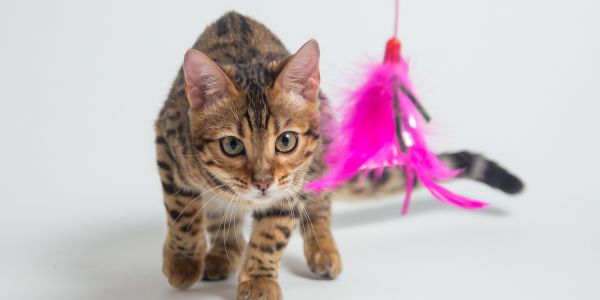
Watch for behaviour changes
Winter is a good time to become more observant.
Ask yourself:
- Has my pet become less active?
- Are they avoiding things they used to do easily?
- Are they more irritable, clingy, restless or withdrawn?
- Are they sleeping in different places?
- Are they struggling with stairs, jumping or getting up?
- Are they reacting differently to touch?
These questions help us move from judgement to curiosity.
Instead of asking, “How do I stop this behaviour?”, we can ask, “What might my pet be communicating?”
Final thoughts
Winter can be a cosy season, but it can also change what our pets need from us.
Cold weather, reduced movement, pain, boredom, frustration and routine changes can all influence behaviour. When we understand this, we stop seeing behaviour as “problems” and start seeing it as information.
Your cat or dog is not trying to be difficult. They are responding to how they feel, what they need, and what their environment is offering them.
This winter, look a little closer. Support comfort. Keep them moving in appropriate ways. Offer enrichment. Protect rest. Watch for pain. And remember that behaviour is communication.
The question is whether we are listening.
DISCLAIMER: This article is for general educational purposes and is not a substitute for individualised veterinary or behavioural advice. If your pet’s behaviour changes suddenly or seems linked to pain, mobility or health, please consult your veterinarian, and consider working with a qualified behaviour professional for ongoing behavioural concerns.

FAQ Section
Q: Why does my dog’s behaviour change in winter?
A: Pet behaviour changes in winter often come from a mix of less movement, colder joints, more time indoors and disrupted routines. Reduced exercise can lower a dog’s ability to self-regulate, leading to restlessness, more barking or chewing, while cold weather can also highlight existing pain. It’s rarely about “misbehaviour,” it’s usually an unmet need.
Q: Why is my cat less tolerant of being touched in winter?
A: Cats are extremely skilled at masking discomfort and cold weather can make joint pain, stiffness or general sensitivity more noticeable. A cat who reacts to touch, grooms less or hides more than usual may be uncomfortable rather than simply “moody,” so a veterinary check is a sensible first step.
Q: Is it normal for older dogs to avoid stairs in winter?
A: It can be a sign of discomfort rather than something to dismiss. Reluctance to jump, hesitating before stairs or getting up more slowly are common, subtle pain signals in senior dogs, and cold weather often makes joint stiffness worse. It’s worth mentioning to your vet rather than assuming it’s simply age.
Q: How can I keep my dog or cat entertained indoors in winter?
A: Simple, low-effort enrichment works well. For dogs, try snuffle mats, food puzzles, scatter feeding and short force-free training sessions. For cats, try window perches, vertical space, wand toy play and hidden food to encourage natural foraging behaviour. The goal is enrichment that reduces stress, not adds to it.
Q: When should I take my pet’s winter behaviour changes to a vet?
A: If a behaviour change happens suddenly, becomes more intense or is linked to movement, touch, eating, toileting or sleep, it’s time for a veterinary check. Pain and illness should always be ruled out before assuming a behaviour is purely down to habit, boredom or the season.
Ilse Fourie (CBCC-KA, DipCAB, CertCAB, MA)

Ilse Fourie is a qualified and an internationally credentialed animal behaviour consultant and the founder of No Fret Vet and Pet Care Consulting in South Africa. As a Fear Free Elite Certified Professional, Ilse has dedicated her career to bridging the gap between clinical science and the lives of real pets. Her work focuses on a “whole-animal” approach, integrating stress physiology, gut health, and environmental factors to alleviate fear and anxiety. Whether she’s coaching veterinary teams or helping pet parents at home, Ilse’s mission is simple: to help animals feel safe and to empower their humans with the science-informed tools to keep them that way.