
How does K9SARA protect search and rescue dog wellbeing?
Search and rescue dog wellbeing is built into every stage of a K9SARA deployment, from strict rest rotations to routine veterinary checks and free counselling support for handlers. These dogs work in short, closely monitored bursts rather than long shifts, with handlers watching constantly for signs of fatigue, heat stress or dehydration. The result is a team, dog and human, built to serve safely for years, not just for a single search.
When disaster strikes, search and rescue dogs are often among the first to respond. Whether deployed to a wilderness search or assisting during disasters to find missing people, these dogs work with extraordinary focus and heart.
But behind every successful search is something equally important: a carefully managed system that prioritises the wellbeing of both the dog and the handler.
At K9SARA, welfare is not an afterthought, it is built into everything we do.
Rest, rotation and recovery
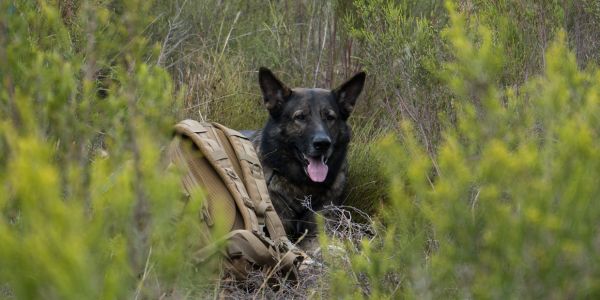
Contrary to what many imagine, search dogs do not work for hours on end. During deployments, strict rotation schedules are followed. Dogs work in short, focused search periods and are then rested, hydrated and assessed before being deployed again.
Shade, water and nutrition are prioritised. Handlers closely monitor temperature, energy levels and hydration. If a dog shows any signs of fatigue such as seeking out shade or an elongated tongue, work stops immediately and the dog is rested until it shows signs of recovering to its baseline and is able to continue working.
Our teams operate under a simple principle: a dog that is physically and mentally well performs best.
Veterinary oversight and preventative care
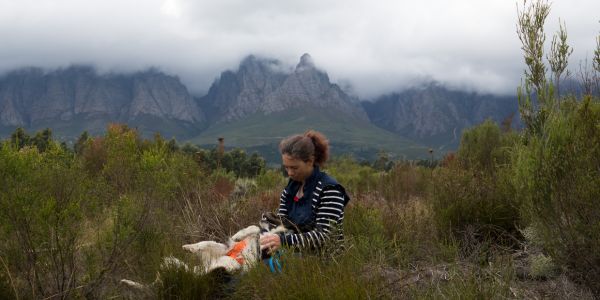
Every operational dog undergoes routine veterinary checks. Hips are X-rayed to ensure structural soundness and ongoing preventative care forms part of their working life.
Before, during and after major deployments, dogs are physically assessed. Minor ailments are treated early. Recovery periods are enforced if required. These dogs are athletes and like any athlete, proactive care protects long-term health.
Do search dogs get "depressed" if they don't find someone?
This is a common concern we see on social media.
Search dogs are trained to love the game of searching. Their reward is not “finding someone alive” or “finding human remains.” Their reward is engaging in the task itself, using their nose, solving the puzzle and receiving praise or a toy reward from their handler once a patient is found.
They do not carry the emotional weight of outcomes the way humans do. They experience the search as purposeful play.
The Human Side of the Leash
While the dogs are trained to search, handlers carry a different responsibility.
Before deployments, team members prepare both physically and mentally. Training includes not only search techniques, but also resilience, communication and teamwork.
After every deployment and training exercise, the team debriefs together. These sessions allow members to share learnings, identify areas for improvement and reflect on how both dogs and handlers coped. This culture of open discussion ensures that we are constantly improving, not only in our operational skills, but in how we care for one another.
After difficult missions, decompression matters. Team members check in on one another and conduct informal debriefs. For particularly traumatic searches, professional counselling support is made available to handlers at no cost, ensuring they have help processing what they experienced and can return safely, both operationally and personally.
We recognise that wellbeing is shared, between dog and handler and across the team.
Preventing burnout at both ends of the lead
K9SARA carefully manages call-outs and training loads. Not every member attends every deployment. Rest cycles are respected. Family support is acknowledged as part of operational sustainability.
Search and rescue is not just about the moment of the find. It is about building a team that can serve for years to come.
Because heroes deserve care too.
You will find the article in the June 2026 Magazine. READ IT HERE
DISCLAIMER: The welfare of working dogs varies between organisations and deployments. If you are interested in supporting search and rescue dog welfare in South Africa, visit k9sara.co.za for more information on how operational teams are managed.

FAQ Section
Q: Do search and rescue dogs work for hours without a break?
A: No. Search and rescue dogs work in short, focused search periods and are then rested, hydrated and assessed before being deployed again. Strict rotation schedules protect their physical and mental wellbeing, which is central to good search and rescue dog wellbeing during any deployment.
Q: Do search dogs get depressed if they don’t find anyone?
A: Not in the way people often assume. Search dogs are trained to love the game of searching itself using their nose, solving the puzzle and receiving praise or play as a reward. They don’t carry the emotional weight of an outcome the way humans do; for them, the search is purposeful play.
Q: How do handlers know when a search dog is overheating or fatigued?
A: Handlers closely monitor temperature, energy levels and hydration throughout a deployment. Early signs such as seeking out shade or an elongated tongue mean work stops immediately and the dog rests until it recovers to its normal baseline before continuing.
Q: Do search and rescue dogs get regular veterinary care?
A: Yes. Every operational search and rescue dog undergoes routine veterinary checks, including hip X-rays to confirm structural soundness. Dogs are also assessed before, during and after major deployments, with minor ailments treated early to protect their long-term health.
Q: How does K9SARA support handlers, not just the dogs?
A: K9SARA treats wellbeing as shared between dog and handler. Teams debrief after every deployment, informal check-ins happen after tough missions, and free professional counselling is available to handlers following particularly difficult searches.
The K9 Search and Rescue Association of South Africa (K9SARA-SA) was founded in December 1998 when a few members of the Mountain Club’s Wilderness Search and Rescue team, who saw search dogs in operation, realized that dogs are a valuable resource on any search. It was felt that if we could have a trained team of search dogs ready to go at a moment’s notice, it could cut down on the time needed to find a missing person.