
Guide to Making Your Dog Adoptable
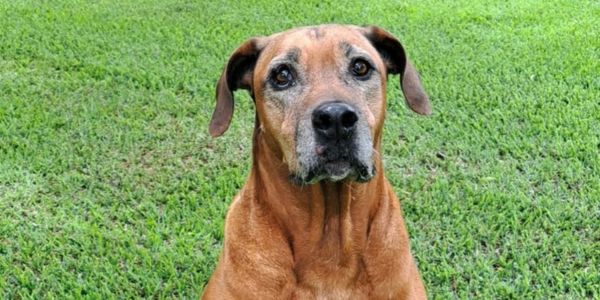
A few years ago, we ended up adopting a 7-ish-year-old Rhodesian Ridgeback boy, by the name of Frikkie. As a networker for Ridgebacks, finding homes for them, we tried for about 2 months but the deadline caught up with us, and Frikkie had to go somewhere. We picked him up under the assumption that we would foster him with us and our 4 other Ridgebacks until a suitable home could be found. Well, that changed quickly. Apart from the fact that Hubby instantly connected with Frikkie, it was kind of a done deal that Frikkie would remain with us.
Since Frikkie came to live with us, it is clear that if he had been adopted into a family, the chances are pretty good that he would have been returned. Which would have just caused more stress for Frikkie.
There are many reasons why dogs are given up for adoption. Some owners just can’t cope with the puppy or adolescent. The family did not do their homework on what breed would best fit in with their lifestyle. Kids and dogs are not actively managed and a bite happens. We are all aware that life happens and pets end up in a situation where they need to be rehomed, through no fault of their own. You, as a responsible pet owner, can make a huge difference in the Adoptability of your dogs, by giving them the best chance from day one:
1. Ensure your dog is in good health
Make sure your dog has regular vet checks and that any health issues are addressed promptly. Make sure their vaccinations are up to date and they are microchipped and that the chip is completed with your information.
2. Sterilise your pets
If you are not a registered breeder, then ensure your dog is sterilised at the appropriate age. If your female comes into season before her sterilisation, you need to talk to your vet about the options and be prepared for 4 weeks of being 100% on the ball in managing her and any other unsterilized dogs near you. Having a litter and adding to the rescue epidemic is not cute at all.
Here are two not-so-fun facts for you, if you still think you want to show your children the beauty of life by letting your pet dog have a litter:
ONE: “More than 1 million HEALTHY dogs and cats are humanely euthanized annually in South Africa.”
TWO: “According to the Global State of Homelessness Index, SA has around 4.1 million stray pets roaming the streets – putting them at risk of getting knocked down by cars, facing extreme conditions and hunger, and being vulnerable to attacks from other animals and cruel humans.”
3. Socialise your dog
It is not expected that every dog should be a social butterfly. No, with socialisation you as the pet owner should ensure that your puppy is introduced safely to as many people, surfaces, objects, sounds, and situations that they would potentially encounter in their life. The first 16 weeks are crucial. You want to raise a confident, happy dog that will be able to cope and adapt to most environments.
4. Start Early
In some instances, an untimely death or illness makes this impossible, but for the most part, when you are falling into financial hardship, are retiring to a home, have to move, or are planning to emigrate? All these things come over time, and you need to accept that if you are no longer able, or willing to care for your pet, you need to get out of the blocks sooner rather than later. Dogs with health issues and older dogs will take longer to rehome. Bonded pairs and large breeds are also harder to rehome. Even a black dog could run into difficulty finding a home.
5. Have a Plan
Ensure that you make provision for your pets in your last will and testament. Discuss with family what your wishes are, should anything happen to you and make sure that they are in a financial position to care for your pets, should you no longer be there.
You can read our Blog: Estate Planning for your Pets here.
6. Shelters are Full
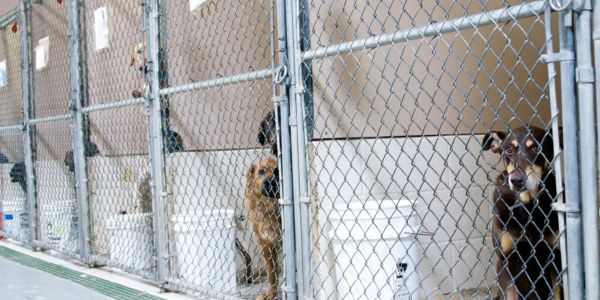
You can still find a reputable organisation that would be willing to assist with the adoption process. You can give them a donation in exchange for assisting with home checks. They are experienced at identifying the red flags that could pose a danger to your dog. Understand what will happen when you surrender your dog to a shelter or rescue organisation and know the difference between no-kill and pro-life. Will your dog cope in a kennel environment having come out of a home where he sleeps on the bed and sits on the couch next to you, watching television?
7. Stay AWAY from "Free to Good Homes"
You have NO Idea who is lurking there. If you have an unsterilised dog and you advertise your dog as “free to a good home”, YOU are putting your pet’s life in grave danger. From dog fighting to puppy milling, tying dogs to objects, leaving them without food or water or any shade, being abused or raped. Just don’t do it. Period!
8. The Final Act of Kindness
In some cases, due to time constraints, health or behaviour issues, it is not possible to find a suitable home for your dog. This is where you have to take the final act of kindness (and I do not say this lightly). You have to be there until the end. Do not leave this duty to a stranger. Do not dump your dog into a noisy kennel where he will just shut down and pine for you, become unadoptable, and be put to sleep by strangers. In my 5 years of networking, 2 older Ridgebacks passed away within days of going into kennels. I believe because of a broken heart, but possibly due to the stress of losing everything they loved. If you truly love them, you will be there for them till the end. They have given you unconditional love their whole life; it’s the last thing you can do for them.
Preparing your dog for adoption is like planning for divorce. We don’t get married with the view to get divorced, but we do have to protect ourselves if it happens. The same goes for your pets. You do not plan to have your dog adopted when you get the cute puppy, but it happens and YOU have to ensure your dog has the best chance of finding a home where he will be safe and can live happily ever after.