
What are the benefits of eggs for pets?
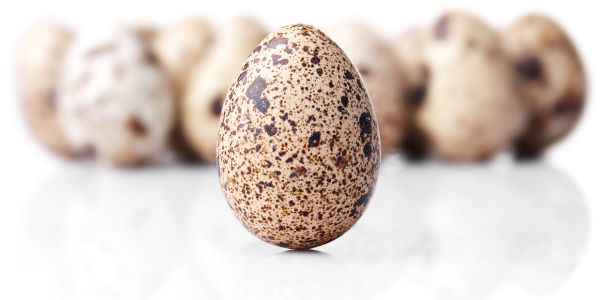
Quail eggs for pets are a small but nutrient-dense addition to a dog or cat’s diet, offering protein, vitamins and minerals in a portion-controlled package. Rich in B12, selenium, choline and iron, these tiny eggs support everything from coat condition to immune health and their soft shell makes them easier to digest than larger eggs. This guide covers the nutrition science behind quail eggs, how much to feed, and when to check in with your vet first.
For thousands of years, our canine companions have been sneakily nabbing eggs, and their instincts are spot on. Eggs from a variety of birds not only offer a safe addition to any pet’s diet but also bring a slew of nutritional benefits. Whether served in their natural essence or gently cooked, as a standalone snack or mixed with other wholesome foods, eggs stand out as a convenient, budget-friendly, and versatile choice. They are a simple yet extraordinary method to elevate the nutrition in every bite of your pet’s meal.
Eggs deliver a nutritional boost from nose to tail. The yolks are laden with essential vitamins and fatty acids for a lustrous coat, the whites serve as a pure protein haven, and the shells provide a dose of calcium carbonate, along with a sprinkle of other minerals, supporting overall well-being.
Are quail eggs good for pets?
Among the variety of eggs suitable for pets, quail eggs are gaining popularity for their nutritional value and petite size, making them especially apt for smaller breeds or as a portion-controlled treat for larger companions. Let’s delve into the specific benefits of quail eggs, underpinned by nutritional science, and discover why they’re becoming a favored supplement in pet diets.
Rich in nutrients
Quail eggs are compact nutritional dynamos, packed with vital vitamins and minerals such as vitamin B12, selenium, riboflavin, choline and iron. These elements play critical roles in supporting your pet’s health: from aiding the nervous system and growth (vitamin B12) to acting as an antioxidant (selenium), boosting energy production (riboflavin), enhancing brain health (choline) and ensuring healthy blood (iron).
High-quality protein
Essential for growth, repair and maintenance of body tissues, the high-quality protein in quail eggs contains all the essential amino acids your pet needs. This is particularly crucial for cats, who depend heavily on animal protein.
Easy to digest
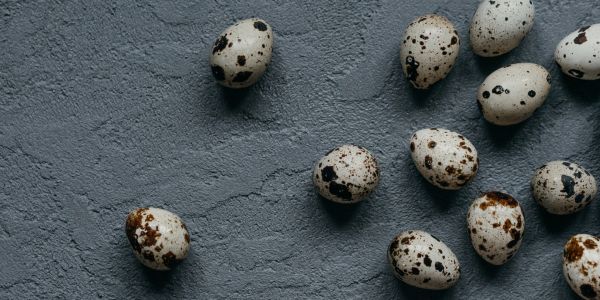
Their small size and softer shell make quail eggs more digestible, an excellent choice for young, senior or pets with sensitive stomachs.
Immune system booster
Antioxidants in quail eggs, like selenium and vitamin A, enhance your pet’s immune system by combating free radicals and reducing oxidative stress.
Skin and coat health
The abundance of B vitamins and fatty acids in quail eggs contribute to healthier skin and a shinier coat, supporting skin regeneration and maintaining coat health.
Supports bone health
Rich in calcium and phosphorus, quail eggs support strong bones and teeth, crucial for your pet’s overall structure and strength.
What's the nutritional composition of quail eggs?
Understanding what quail eggs bring to the table can help pet owners make informed decisions about their pet’s diet. Here’s a quick glance at their nutritional profile per 100 grams:
Calories: Approximately 158 kcal
Protein: About 13.1 g
Total Fat: Around 11 g, with a balanced mix of saturated, monounsaturated, and polyunsaturated fats
Cholesterol: Approximately 844 mg – moderation is key
Carbohydrates: Minimal, at 0.4 g
Rich in vitamins and minerals, including Vitamin A, D, E, B-complex, calcium, iron, phosphorus, potassium, and selenium.
How many quail eggs can I feed my pet?
Incorporating quail eggs into your pet’s diet should be done thoughtfully. Start with small amounts to ensure your pet digests them well. For small pets, one quail egg every other day may suffice, while larger breeds can enjoy up to two. Always consult with your veterinarian, especially if your pet has specific health conditions or dietary needs.
The bottom line
Quail eggs offer a unique blend of nutrition and convenience, making them an excellent supplement to your pet’s diet. By integrating these tiny nutritional titans, you’re not just adhering to the whims of a canine egg thief but embracing a tradition rooted in health and well-being. Before making any changes to your pet’s diet, a conversation with your vet can ensure that you’re providing the best care for your furry friend.
VETERINARY DISCLAIMER: This article is for educational purposes only and is not a substitute for professional veterinary advice. Always consult your veterinarian before making changes to your pet’s diet, particularly if your pet has an existing health condition.

FAQ Section
Q: Are quail eggs safe for dogs?
A: Yes, quail eggs are generally safe for dogs when introduced gradually and fed in appropriate portions. They’re rich in B12, selenium and iron, and their small, soft shell often makes them easier to digest than chicken eggs. As with any new food, check with your vet first, especially if your dog has an existing health condition.
Q: Can cats eat quail eggs?
A: Cats can eat quail eggs and the complete, high-quality protein they provide is particularly valuable, since cats rely heavily on animal protein. Their small size also makes portion control simple. Introduce slowly and speak to your vet before adding quail eggs to a cat’s regular diet.
Q: How many quail eggs can a dog eat?
A: As a general guide, small pets can have around one quail egg every other day, while larger breeds may manage up to two. This isn’t a fixed rule for every pet, so it’s best to start small, watch how your dog responds and check with your vet for guidance suited to their size and health.
Q: What nutrients do quail eggs provide for pets?
A: Quail eggs for pets contain vitamin B12, selenium, riboflavin, choline and iron, alongside high-quality protein and healthy fats. Per 100g, they offer roughly 158 kcal, 13.1g protein and 11g fat. These nutrients support the nervous system, immune function, energy production and coat health.
Q: Are quail eggs better than chicken eggs for pets?
A: Neither is inherently better, they simply serve different purposes. Quail eggs are smaller and often easier to digest, making them useful for portion control, puppies, seniors or sensitive stomachs, while chicken eggs offer more nutrition per serving for larger pets. Both can be a healthy, natural addition when fed appropriately.
Retha van der Walt, Specialist Pet Nutritionist, Pawsome Raw

Retha van der Walt is a qualified canine and feline nutritionist and the founder of Pawsome Raw. Her work sits at the meeting point of science and care: she holds the iPET Network Level 3 Diploma in Canine Nutrition and has completed advanced studies through the College of Integrative Veterinary Therapies (CIVT) and various other pet nutrition diplomas, grounding her practice in the work of leading authorities such as Dr Conor Brady, Dr Lew Olson, Dr Judy Morgan, Dr Jean Dodds and Dr Richard Patton. She blends rigorous nutritional biochemistry with a genuinely integrative, whole-dog approach.