

VETERINARY DISCLAIMER: This article is for general educational purposes only and is not a substitute for individualised veterinary advice. Chronic kidney disease varies widely in severity and presentation. Please work with your own veterinarian before changing your pet’s diet or introducing new supplements, especially for a pet with a diagnosed health condition.
Feeding Raw to the Renal Patient: A Practical Guide for Pet Lovers
A raw diet for dogs with kidney disease can be a safe and even beneficial choice when it’s thoughtfully balanced, rather than something to avoid on principle. Rather than defaulting to ultra-processed, low-protein commercial “renal diets”, pet parents can support kidney health through high-quality protein, the right phosphorus sources and targeted supplements like marine omega-3s and B vitamins. This guide walks through what the current thinking on raw feeding and kidney disease actually means for your dog’s bowl.
Chronic kidney disease (CKD) is a common challenge for pet owners, especially as our beloved dogs and cats age. Traditionally, veterinary advice has leaned heavily on commercial “renal diets”, often ultra-processed, low-protein kibble. But what if you want to feed your renal patient a fresh, raw diet? Is it possible to do so safely and even beneficially, with the right additives and attention to nutrients? Drawing on decades of clinical experience and the latest research, here’s how you can support your dog’s kidneys with a thoughtfully balanced raw diet.
Understanding your dog's individual bloodwork baseline
Every dog and cat is unique. Standard bloodwork reference ranges are often based on kibble-fed populations, so raw-fed dogs and cats may naturally show higher levels of blood urea nitrogen (BUN) and creatinine. This doesn’t always indicate kidney disease. The key is to establish your pet’s healthy baseline bloodwork early, ideally before illness strikes and always compare future results to these personal norms. Always use fasted blood samples taken in the morning for accuracy.
Protein: why quality matters more than quantity
A major shift in veterinary nutrition is the move away from severely restricting protein in renal patients. While very late-stage CKD may require temporary protein reduction, long-term low-protein diets can lead to muscle wasting and poor quality of life. Instead, focus on high-quality, highly digestible proteins, the kind found in fresh meats, organs and bone. Collagen from connective tissue also acts as a valuable prebiotic fiber for gut health.
Example: Instead of just chicken breast, a balanced raw meal might include muscle meat, heart, liver, a small amount of finely ground bone and a portion of fermented or lightly steamed vegetables for fiber and micronutrients.
Omega-3 fatty acids
The Renal Super-Nutrient Omega-3s, especially from marine sources, are proven to support kidney, heart, brain and skin health. They help reduce inflammation and slow CKD progression. Fish oil, krill oil or algal oil are excellent choices. Toxicity is extremely rare. Most dogs benefit from double the maintenance dose recommended on the bottle. Store oils in the fridge or freeze daily portions to prevent oxidation.
Tip: While sardines are a tasty addition, they don’t provide enough omega-3s alone. Use a high-quality supplement and look for air-free pumps or sealed capsules.
Why does phosphorus source matter for kidney health?
Source Matters. Phosphorus control is crucial in CKD, but not all phosphorus is equal. Inorganic phosphates (common in processed foods) are absorbed rapidly and can worsen kidney function. In contrast, phosphorus from natural bone in raw diets is absorbed more slowly and is better regulated by the body. Only use phosphate binders if blood tests show rising phosphorus levels. Food-based binders like Ipakitine (made from chitin) are preferred over aluminum hydroxide, which can cause constipation.
Key supplements to support a raw-fed renal patient
* B Vitamins: Water-soluble and easily lost in urine, B-complex vitamins support nerve function, energy, and red blood cell health. Supplement generously.
* Choline: Essential for liver and kidney health. Egg yolks are a great natural source.
* Zinc: Often low in homemade diets; monitor and supplement if needed.
* Herbs: Dandelion (taraxacum) and barberry (berberis) may support kidney function. Milk thistle, commonly used for liver support, can also benefit the kidneys.
* Bone Broth: Highly palatable, hydrating and rich in collagen, bone broth can stimulate appetite and support gut and kidney health.
Hydration: the simplest way to support kidney health
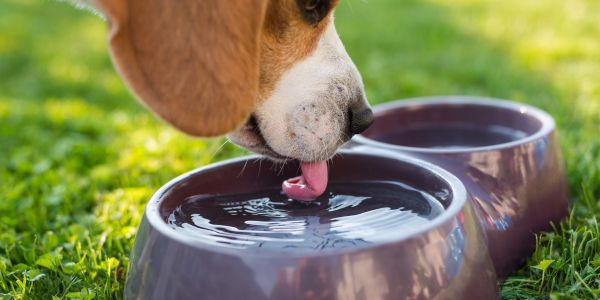
The Cheapest Medicine. Dehydration worsens kidney disease. Ensure your dog always has access to fresh water. Bone broth can encourage drinking and provide extra nutrients.
Monitoring and adjusting the diet over time
Regular monitoring is essential. Track BUN, creatinine, SDMA, phosphate, calcium-phosphorus ratio and electrolytes. Use both blood and urine tests and consider hair mineral analysis for long-term trends. Adjust the diet based on your dog’s clinical signs and lab results, not just numbers on a page.
There is no one-size-fits-all renal diet. Tailor your approach to your dog’s preferences, concurrent health issues and lifestyle. Palatability, enjoyment and maintaining a healthy appetite are just as important as hitting nutritional targets.
In Summary:
* Feed high-quality, balanced raw meals with organ meats, bone and some plant fiber.
* Add marine omega-3s, B vitamins, and choline-rich foods.
* Monitor phosphorus and use food-based binders if needed.
* Keep your dog hydrated and adjust the plan based on regular testing.
With careful attention and the right additives, a raw diet can be a safe, nourishing and enjoyable option for dogs with kidney disease, helping them live happier, healthier lives.
VETERINARY DISCLAIMER: This article is for general educational purposes only and is not a substitute for individualised veterinary advice. Chronic kidney disease varies widely in severity and presentation. Please work with your own veterinarian before changing your pet’s diet or introducing new supplements, especially for a pet with a diagnosed health condition.

FAQ Section
Q: Can dogs with kidney disease eat raw meat?
A: Yes, many dogs with chronic kidney disease can eat a raw diet for dogs with kidney disease when it’s carefully balanced. The focus should be on high-quality, digestible protein rather than restricting protein altogether, alongside attention to phosphorus source, omega-3s and hydration. Always work with your vet to tailor the diet to your dog’s specific stage of disease.
Q: Why do raw-fed dogs have high BUN and creatinine?
A: Raw-fed dogs often show naturally higher BUN and creatinine than kibble-fed dogs, because standard reference ranges are based largely on kibble-fed populations. This isn’t automatically a sign of kidney disease. Establishing your dog’s own healthy baseline early on gives you a far more accurate way to spot real changes later.
Q: Should dogs with kidney disease eat a low-protein diet?
A: Not necessarily. Severe long-term protein restriction can lead to muscle wasting and a poorer quality of life. Most dogs benefit more from high-quality, highly digestible protein than from simply eating less of it, though very late-stage cases may need temporary adjustments under veterinary guidance.
Q: What supplements help dogs with kidney disease?
A: Marine omega-3s (fish, krill or algal oil), B-complex vitamins and choline are commonly used to support dogs on a raw diet for kidney disease. Some pet parents also use kidney-supportive herbs like dandelion or milk thistle. Any supplement plan should be discussed with your vet, especially around dosing.
Q: How is phosphorus controlled in a raw diet for kidney disease?
A: Phosphorus from natural bone is absorbed more slowly than the inorganic phosphates found in many processed foods, making it gentler on the kidneys. Phosphate binders are only needed if blood tests show rising phosphorus levels, and food-based binders are generally preferred over aluminium-based options.
Dr Brendan Clarke, Director Raw Feeding Veterinary Society

Brendan qualified from London Vet School in 1994 and has worked in general practice for 25 years. In 1998 he took over the partnership of Towerwood Vets. In 2002 Brendan became the secretary for the regional branch of the BVA, the Yorkshire Veterinary Society, becoming president in 2014. He was also nominated and voted the first BVA regional representative for Yorkshire and Humberside between 2007 and 2014. Brendan strongly feels that nutrition is an essential part of animal health and welfare and has a wealth of general practice experience offering advice on, and monitoring clinical cases of, biologically appropriate nutrition for both cats and dogs.