
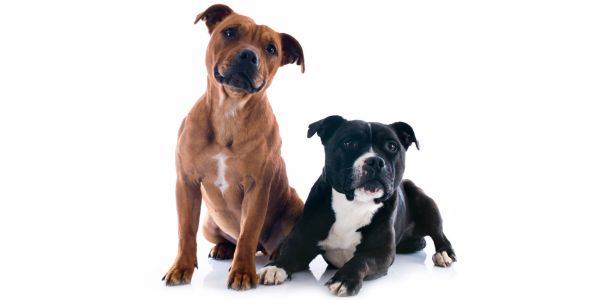
What is L2HGA in dogs?
L2HGA in dogs is a rare but serious inherited neurological condition that affects the brain and nervous system, most commonly documented in Staffordshire Bull Terriers. Caused by a mutation in the L2HGDH gene, it can be passed on silently by carrier dogs who never show symptoms themselves. Understanding how L2HGA is inherited and how genetic testing can identify it early, empowers breeders and owners to make compassionate, informed decisions for future generations.
How L2HGA affects the brain and nervous system
Responsible breeding plays an important role in reducing the risk of inherited diseases in dogs. One such condition that breeders should be aware of is L-2-Hydroxyglutaric Aciduria (L2HGA), a rare but serious inherited neurological disorder.
L2HGA affects the brain and nervous system and is characterised by elevated levels of L-2-hydroxyglutaric acid in bodily fluids such as urine, plasma and cerebrospinal fluid. It is caused by a mutation in the L2HGDH gene (which produces an enzyme responsible for breaking down the compound L-2-hydroxyglutarate in the mitochondria). The mutated gene causes the enzyme to malfunction, thus causing the buildup of the L-2-hydroxyglutaric acid. The condition is particularly well documented in Staffordshire Bull Terriers, where genetic testing is commonly used by responsible breeders to reduce the risk of affected puppies.
Clinical signs of L2HGA usually appear when a dog is between 6 months and a year old, however this is not standard, and symptoms can also only occur later in life. Dogs affected by this condition may develop a variety of neurological related symptoms, including seizures, ataxia, tremors, a lack of coordination, muscle stiffness and behavioural changes as the disease progresses. Symptoms can worsen over time; therefore, early veterinary evaluation and genetic testing are important if symptoms start to appear.
What causes L2HGA?
L2HGA is caused by an autosomal recessive genetic mutation, dogs can carry the gene without showing any signs of disease.
Dogs can have one of three genetic results for L2HGA. A clear dog has two normal copies of the gene, meaning it does not carry the mutation and will not develop L2HGA. As it does not carry the mutated gene, it also cannot pass it on to its offspring and can therefore be safely mated with any other dog. A carrier has one normal copy of the gene and one mutated copy. Although carriers will not develop the disease themselves, they can pass the mutation on to their puppies and should therefore only be bred to clear dogs. An affected dog has two copies of the mutated gene, will develop L2HGA, and will always pass the mutated gene on to its offspring.
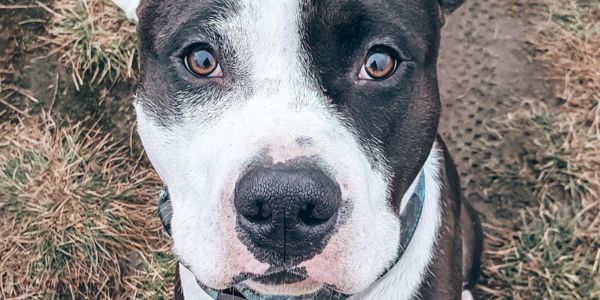
How is L2HGA treated and managed?
There is currently no cure for L2HGA, and current treatment methods focus on managing symptoms and improving quality of life. Some options your veterinarian may suggest include supportive care and monitoring, making lifestyle adjustments to reduce stress and physical strain, and medications to treat symptoms directly.
The severity of the condition can vary between dogs. Some may live for several years with careful management, while others may experience progressive neurological decline.
Genetic diseases like L2HGA highlight the importance of proactive health testing in breeding programmes. By testing breeding dogs and making informed mating decisions, breeders play an important role in reducing the frequency of inherited diseases within their breeds.
Responsible use of genetic testing not only protects individual dogs but also contributes to the long-term health and sustainability of the breed.
ARTICLE FROM THE APRIL 2026 ISSUE – GET IT HERE.
DISCLAIMER: This article is for educational purposes only and is not a substitute for professional veterinary advice, diagnosis or treatment. If your dog is showing neurological symptoms, please consult your veterinarian promptly. Only a qualified veterinarian or accredited genetic testing laboratory can confirm a diagnosis of L2HGA.

FAQ Section
Q: What is L2HGA in dogs?
A: L2HGA (L-2-Hydroxyglutaric Aciduria) is a rare, inherited neurological disorder that affects the brain and nervous system in dogs. It’s caused by a genetic mutation and is particularly well documented in Staffordshire Bull Terriers. There is currently no cure, so treatment focuses on managing symptoms and supporting the dog’s quality of life.
Q: What are the symptoms of L2HGA in dogs?
A: Symptoms usually appear between six months and a year old, though this varies. They can include seizures, ataxia, tremors, muscle stiffness, lack of coordination and behavioural changes that tend to worsen over time. If you notice these signs, early veterinary evaluation is recommended.
Q: Can a dog carry L2HGA without showing symptoms?
A: Yes. L2HGA is an autosomal recessive condition, so a carrier dog has one normal and one mutated copy of the gene. Carriers will not develop the disease themselves, but they can pass the mutation on to their puppies, so they should only be bred to genetically clear dogs.
Q: How is L2HGA in dogs diagnosed?
A: L2HGA is diagnosed through genetic testing, which identifies whether a dog is clear, a carrier, or affected. Testing can be done before symptoms appear, which is why it’s considered an important tool for responsible breeders alongside standard veterinary evaluation.
Q: Is there a cure for L2HGA in dogs?
A: There is currently no cure for L2HGA. Treatment focuses on supportive care, lifestyle adjustments to reduce stress and physical strain and medication to manage specific symptoms. The severity varies between dogs, some live for years with careful management, while others experience progressive decline.
Where can I get genetic health tests done?

At ZooOmics, we provide both health and colour testing, as well as DNA profiles for both canine and feline. We utilise innovative technology for mutation testing and provide you with certificates for all testing done, which can be submitted to registrars and breed societies. For inquiries about sample collection, shipping, processing, and services, please contact us at [email protected]. Alternatively, visit our website at www.zooomics.co.za to download our sample submission form.